The Galician Town
Exhibition
Exhibition "The Life and Work of Józef Mrozowski (1884-1951)"
Józef Mrozowski was an extraordinary individual, which is why he became part of the family history of Krosno. Artistically gifted, hardworking, responsible, and sensitive, and always willing to help those in need, he earned recognition during his lifetime and a lasting place in the memory of future generations. This exhibition is dedicated to him and presents his artistic and life achievements.
ózef Mrozowski (1884–1951), born and deceased in Krosno, lived a simple life that was at the same time rich in creative work. Orphaned at an early age and shaped by life’s hardships, he was a self-taught artist who began creating his first sculptures in his youth. His dancing wedding figurines, placed on a water mill, caught the attention of Józef Alojzy Bek, Secretary of the County Council in Limanowa. Recognizing the young artist’s talent, he funded his education first in Bochnia and later at the School of Wood Industry in Zakopane, from which he graduated in 1902. It was there that his artistic sensitivity took shape.
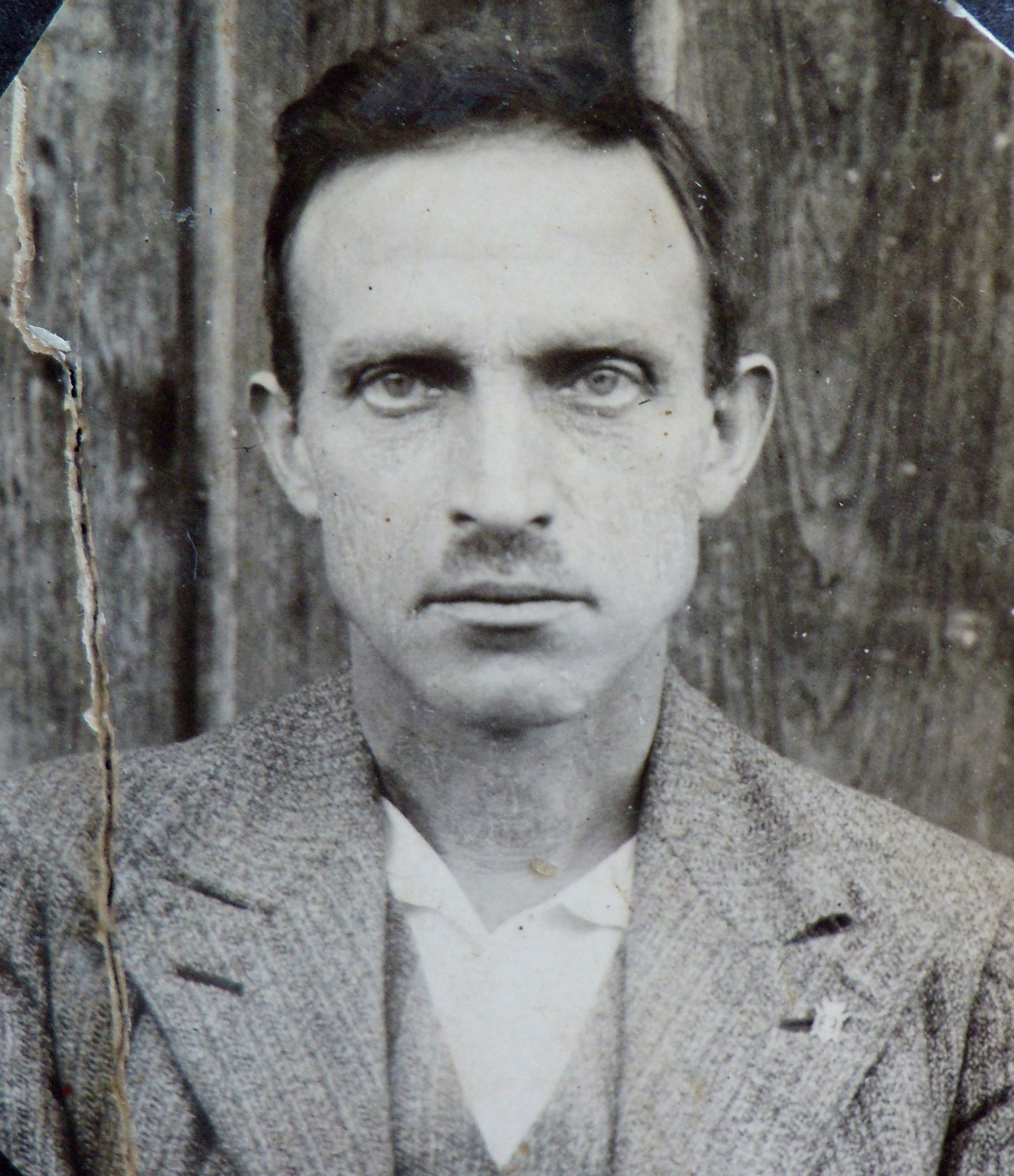
Józef Mrozowski
After graduating, he further refined his woodcarving skills at the “Ozdoba” workshop in Zakopane, after which he returned to his native Krosno. In a purchased inn, he established a Woodcraft Workshop, which over time became an important center of craftsmanship and local economic life. He was not only an artist, but also a talented entrepreneur and innovator, employing solutions that were modern for his time. His workshop was electrically lit, which was still uncommon in rural areas.
During the First World War, he was conscripted into the Austro-Hungarian army. He was taken prisoner and deported to Siberia, where he spent seven years working as a carpenter and joiner, while continuing his woodcarving practice—among other works, he created an altar for a local chapel. During this time, he became fluent in Russian (he had learned German at school).
After returning to Krosno, he reopened his workshop. His sculptures gained recognition throughout Poland, received numerous awards at exhibitions, and were exported, among other places, to the United States. Some even reached the Belweder Palace—he created, among other works, an eagle for President Ignacy Mościcki and Marshal Józef Piłsudski.
During the First World War, he was conscripted into the Austro-Hungarian army. He was taken prisoner and deported to Siberia, where he spent seven years working as a carpenter and joiner, while continuing his woodcarving practice—among other works, he created an altar for a local chapel. During this time, he became fluent in Russian (he had learned German at school).
After returning to Krosno, he reopened his workshop. His sculptures gained recognition throughout Poland, received numerous awards at exhibitions, and were exported, among other places, to the United States. Some even reached the Belweder Palace—he created, among other works, an eagle for President Ignacy Mościcki and Marshal Józef Piłsudski.
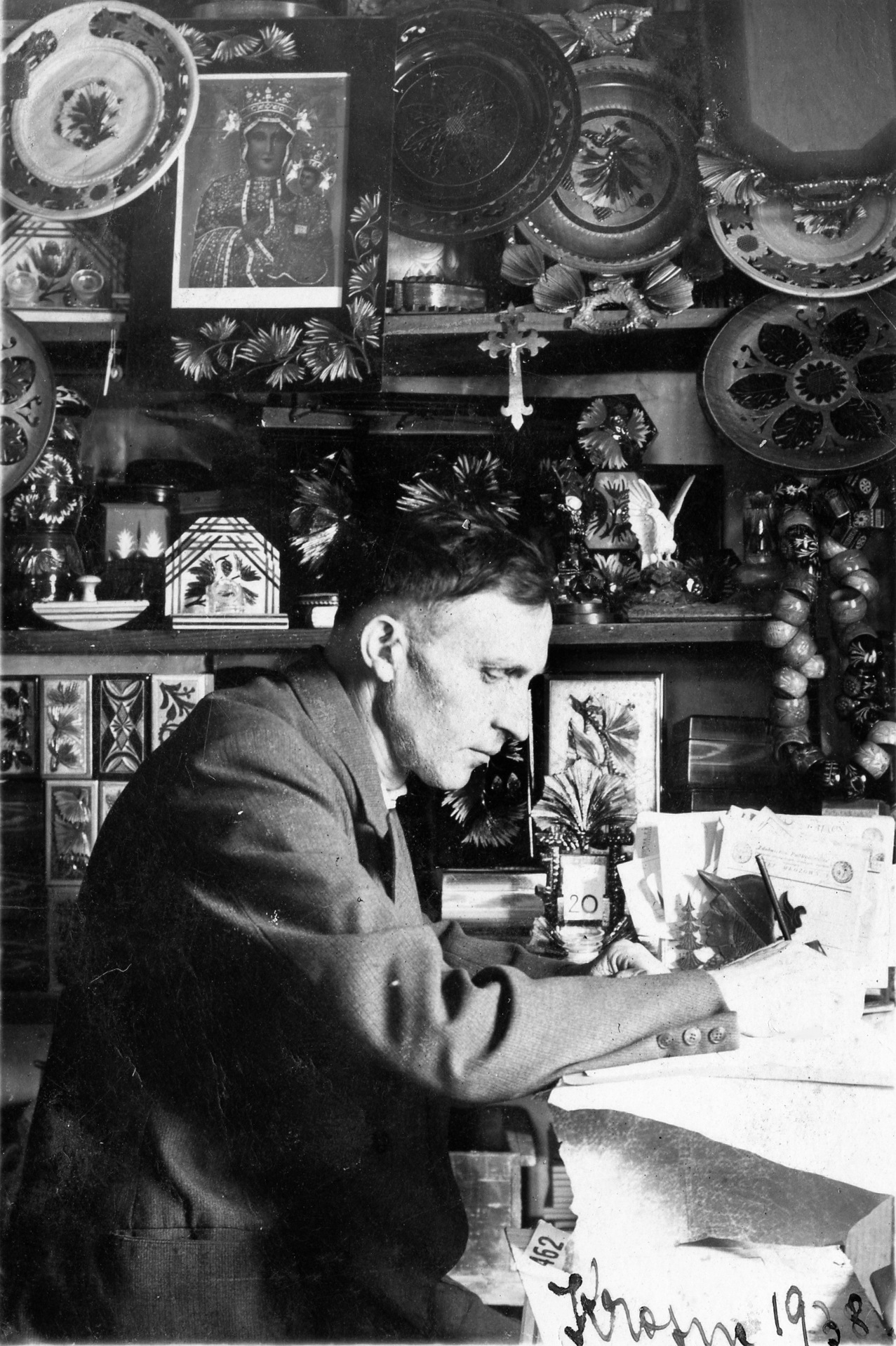
Mrozowski at work
In collaboration with Erwin Fajkosz, he created sculptures inspired by Highlander (Goral) culture. These works were awarded a silver medal at the General National Exhibition in Poznań in 1929.
For the residents of Krosno, he produced numerous works of both a sacred and utilitarian character. Among his creations are, among others, a roadside shrine at Przylaski (now in the collection of the Sądecki Region Museum) and the altar in the local chapel.
For the residents of Krosno, he produced numerous works of both a sacred and utilitarian character. Among his creations are, among others, a roadside shrine at Przylaski (now in the collection of the Sądecki Region Museum) and the altar in the local chapel.

Diploma confirming the award of the Grand Silver Medal at the 1929 General National Exhibition in Poznań to Mrozowski and Fajkosz
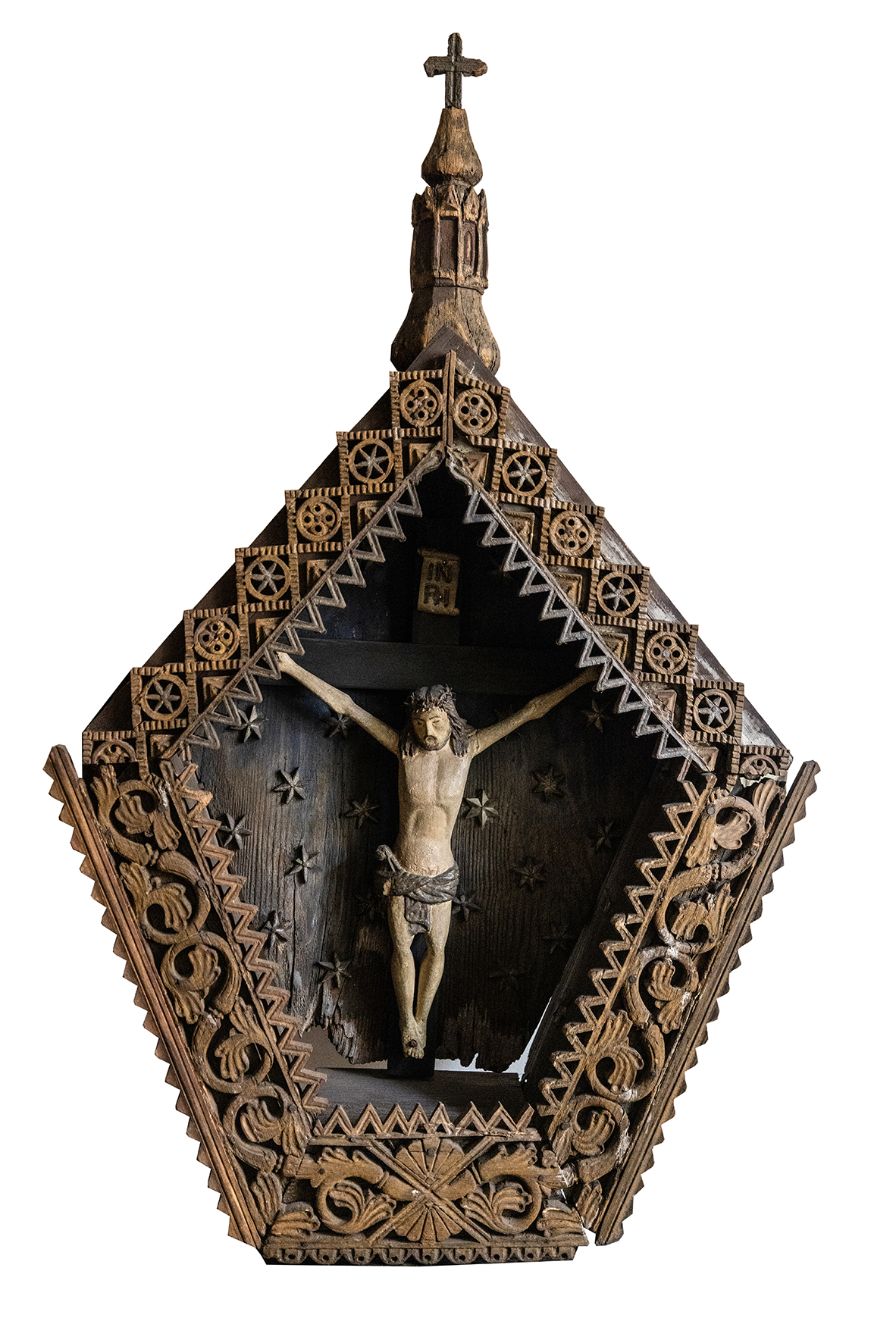
A shrine designed by Mrozowski
The workshop he ran employed around 40 people, providing a livelihood for many families. Mrozowski was an open and helpful man—he owned a car, which he used not only to transport goods but also to take his neighbors to the doctor or to the post office. He even brought a traveling cinema to Krosno, supporting the cultural life of the local community.
His workshop continued to operate during the Second World War. Employment there protected many residents from being deported to Germany for forced labor. After the war, as a result of political changes, the activity of private enterprises was restricted.
Józef Mrozowski remained connected to Krosno until the end of his life. He died in 1951 and was buried in the cemetery in Ujanowice. He was an exceptionally modest, hardworking man devoted to his community—faithful to values such as diligence, respect for work, and respect for nature.
Although his activity was not fully documented, it has been preserved in the memory of his family and the village’s residents. In 2022, the Folk Artist’s House bearing his name was opened in Krosno.
This exhibition is a personal tribute by his granddaughter, Maria Bogusława Wójcik, to her grandfather. It presents both facts from Józef Mrozowski’s life and unique photographs from the family archive. Its aim is to portray this remarkable figure through the lens of family heritage, memories, and preserved keepsakes.
His workshop continued to operate during the Second World War. Employment there protected many residents from being deported to Germany for forced labor. After the war, as a result of political changes, the activity of private enterprises was restricted.
Józef Mrozowski remained connected to Krosno until the end of his life. He died in 1951 and was buried in the cemetery in Ujanowice. He was an exceptionally modest, hardworking man devoted to his community—faithful to values such as diligence, respect for work, and respect for nature.
Although his activity was not fully documented, it has been preserved in the memory of his family and the village’s residents. In 2022, the Folk Artist’s House bearing his name was opened in Krosno.
This exhibition is a personal tribute by his granddaughter, Maria Bogusława Wójcik, to her grandfather. It presents both facts from Józef Mrozowski’s life and unique photographs from the family archive. Its aim is to portray this remarkable figure through the lens of family heritage, memories, and preserved keepsakes.

A wooden, decorated frame designed and made by Mrozowski
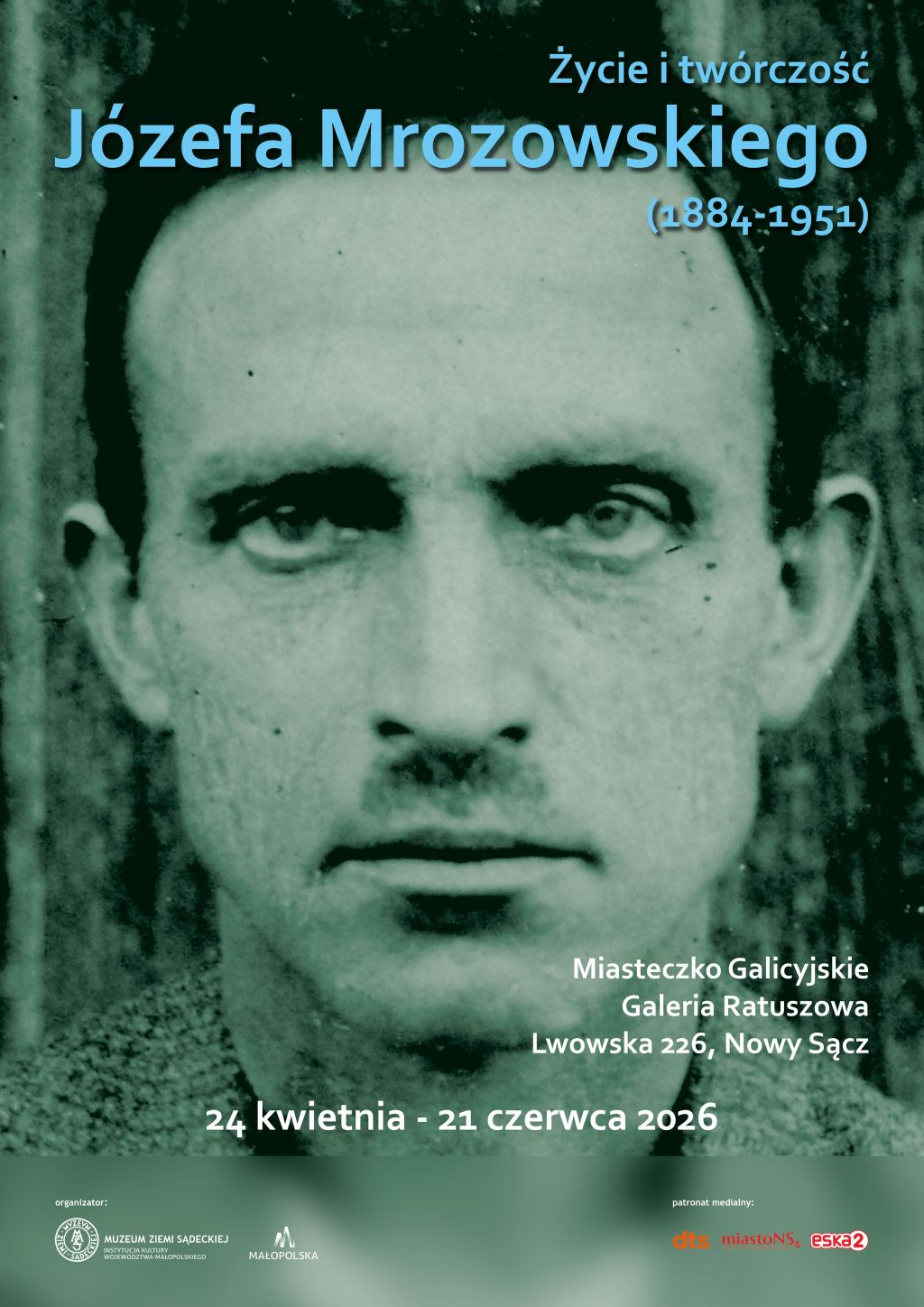
poster