Exhibition
"A Fly in Amber" Exhibition: Kownacka and Chomicz in the Sącz Region
What connects the story of a rescued kid goat with the tale of children learning in mountain meadows? The Sącz region. It was here, in the 1950s, that Maria Kownacka and Witold Chomicz found the material for two books: *Rogaś z Doliny Roztoki* (1957) and *Szkoła nad obłokami* (1958). By then, Kownacka was already an acclaimed children's author, while Chomicz was a graphic artist, a professor at the Academy of Fine Arts in Kraków, and an expert on the art of the book.
The creators used simple stories for young readers to address issues they both took very seriously. In *Rogaś*, the fate of an orphaned fawn leads to a story about nature and the need to protect it. *Szkoła nad obłokami* draws attention to the culture of mountain communities and the value of its material heritage.
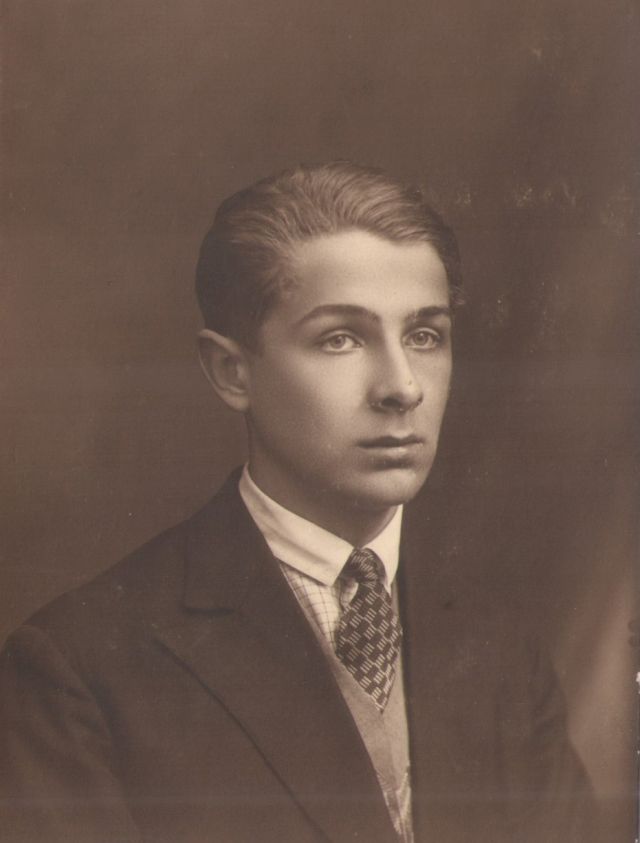
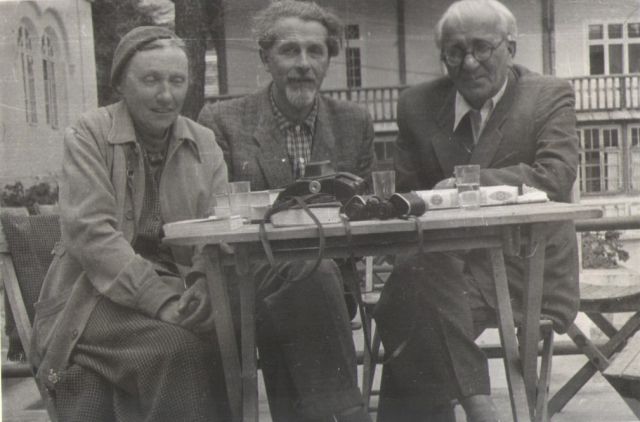
The exhibition’s title stems from Kownacka’s recollection of a meeting with Edward Grucela, one of the teachers at the school in Niemcowa. Describing life high in the mountains, he likened that world to a “fly in amber”—a relic, a living open-air museum, a place where time seemed to have stood still. This metaphor aptly captures the exhibition’s theme: the reality of the Sącz region, as observed by Kownacka and Chomicz, was transformed by them and preserved in both word and image.
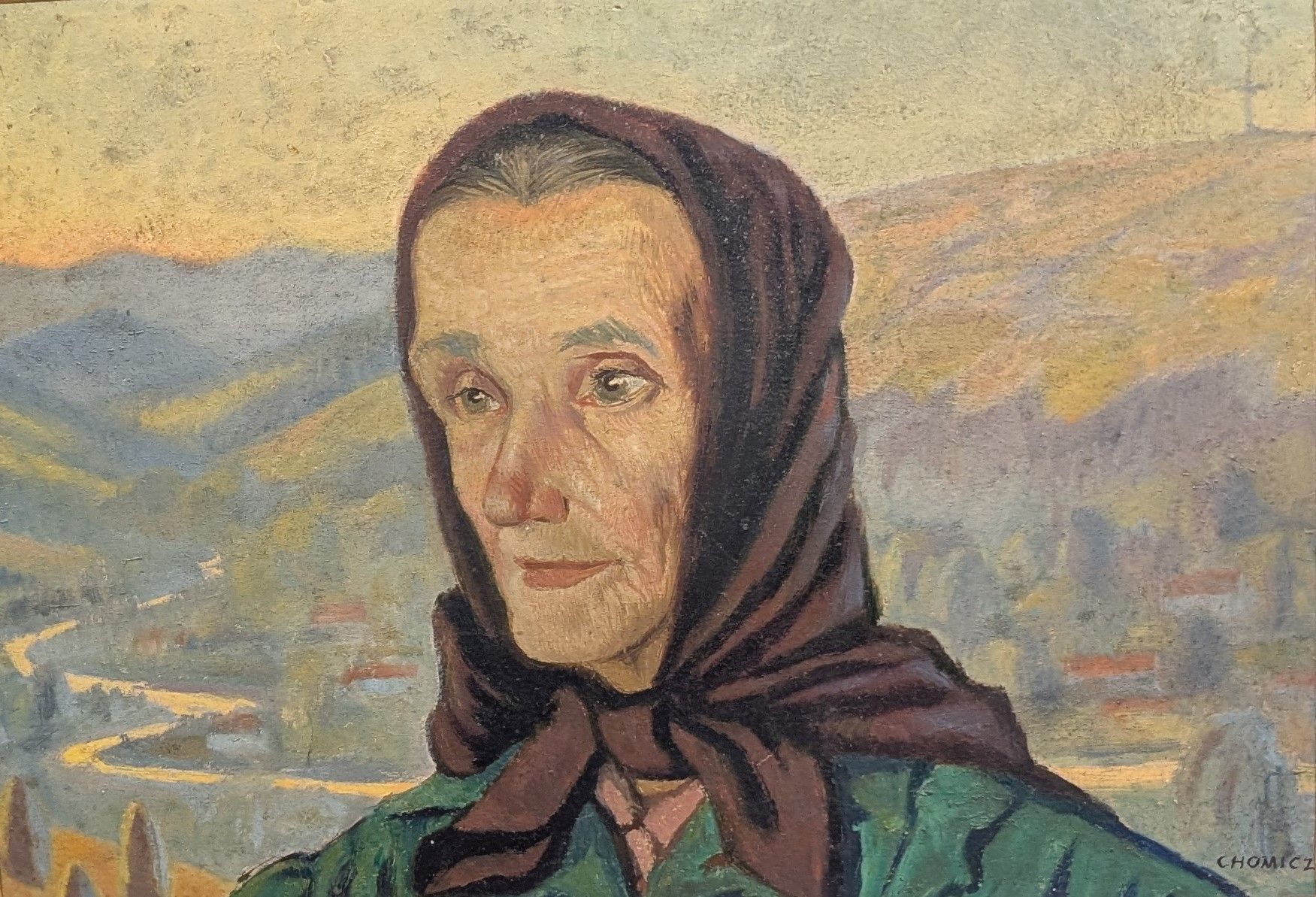
A highlight of the exhibition is the set of original illustrations by Witold Chomicz for both books—drawn from the private collection of Ziyad Raoof and presented to the public for the first time. They are accompanied by paintings, sketches, designs, a book mockup, and other working materials. The collection itself thus serves as another "fly in amber": it has preserved not only depictions of the Sącz region from seventy years ago but also the process of book design in the era before digital typesetting. Visitors can trace the journey from observation and sketch, through design and proofing, to the printed page.
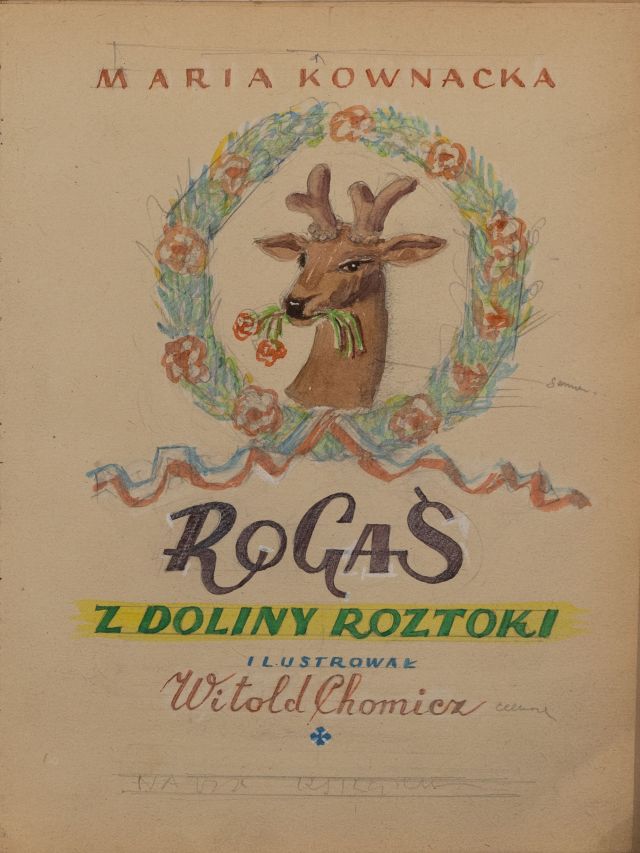
The "Fly in Amber" exhibition thus invites visitors not only to take a nostalgic journey back to the books of the past but also to rediscover them—to view the book as an object composed of many layers: text, image, idea, experience, and creation. It also encourages us to ask a question that is particularly compelling in a museum context: what aspects of the world around us do we deem worthy of preservation?
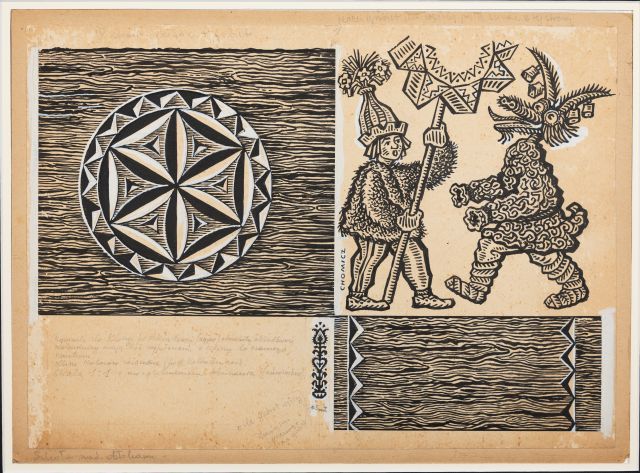
The photographs posted here are intended solely for the promotion of the exhibition and may not be used for other purposes.
"Co-financed by the Minister of Culture and National Heritage from the Culture Promotion Fund – a state special-purpose fund."
"Co-financed by the Minister of Culture and National Heritage from the Culture Promotion Fund – a state special-purpose fund."