Topicality
European Heritage Days at the Sącz Ethnographic Park
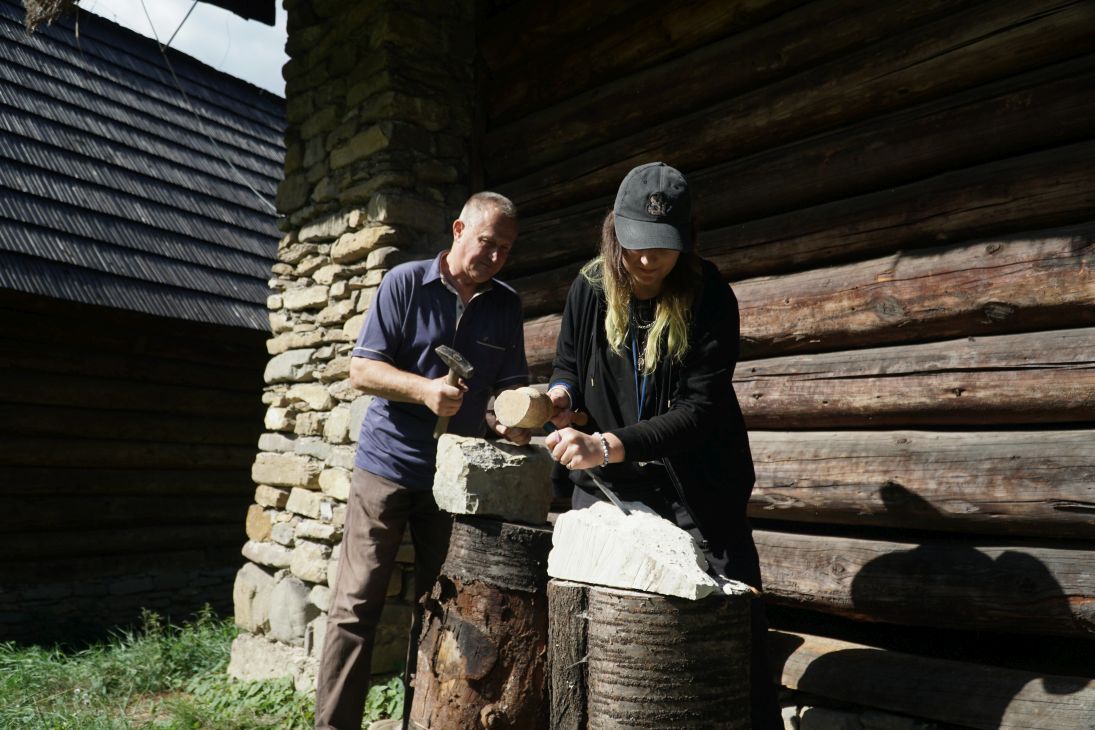
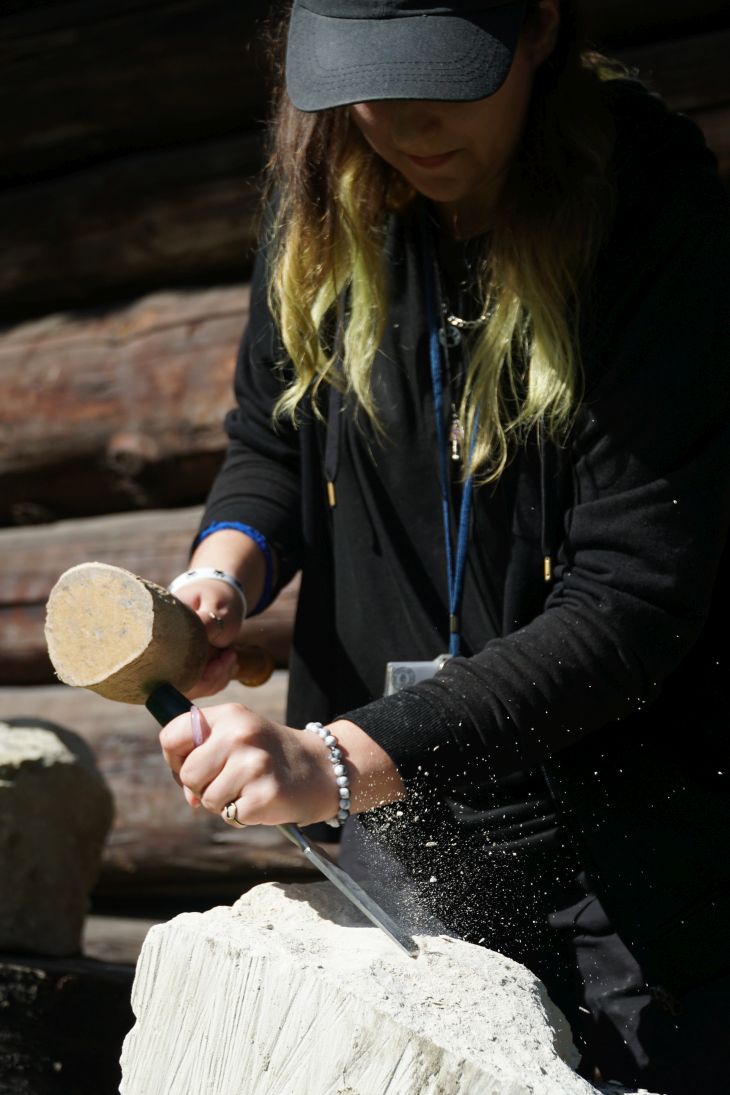
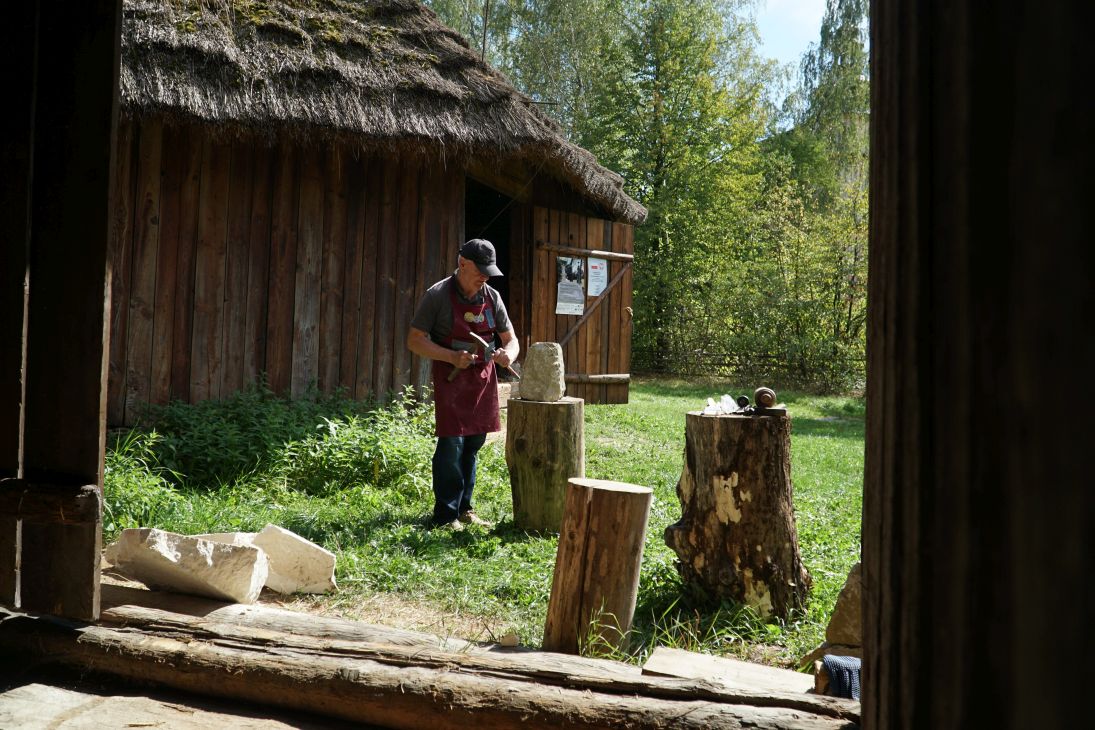
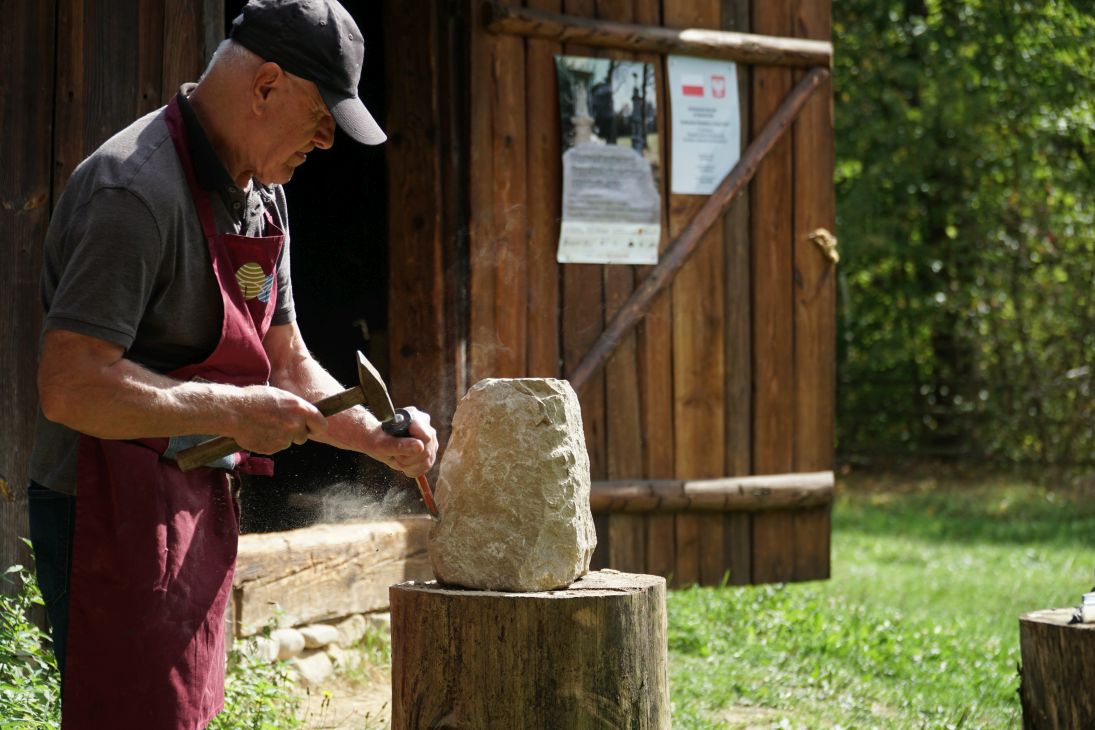
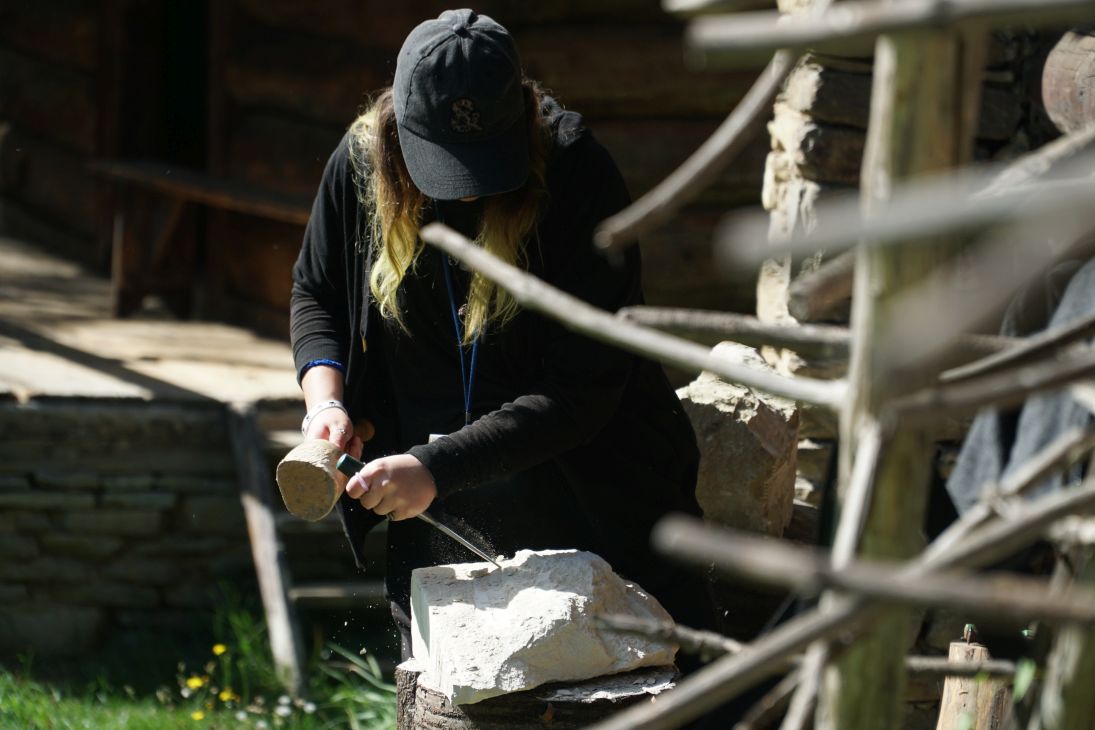
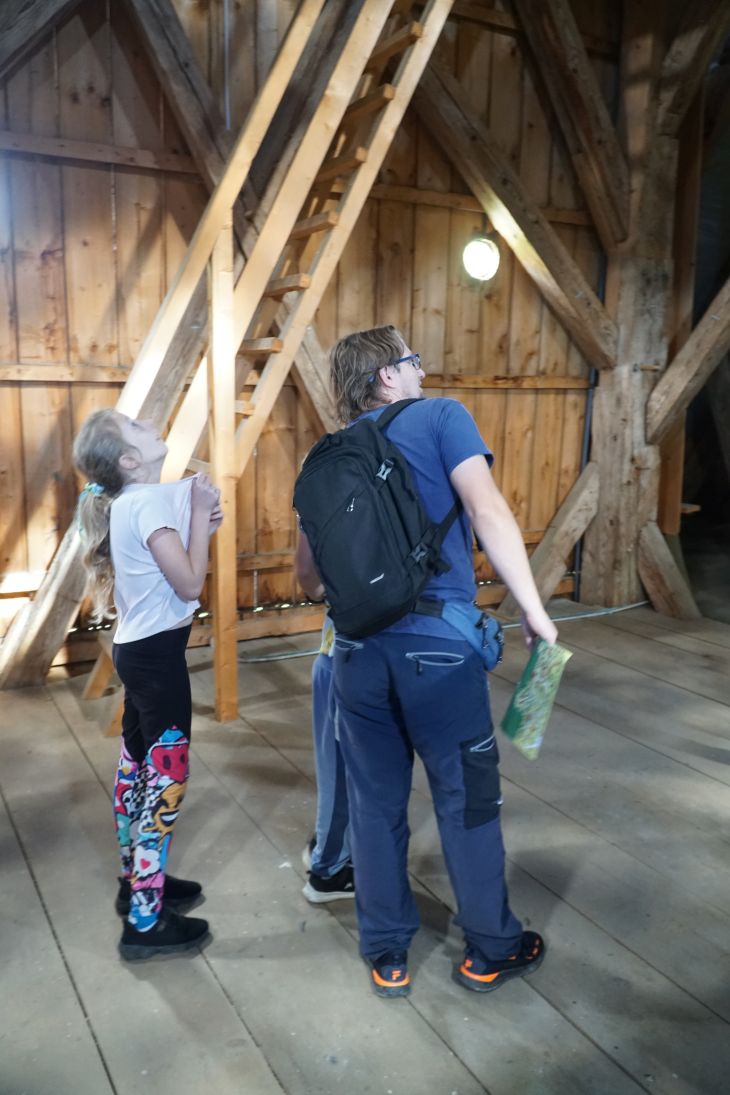
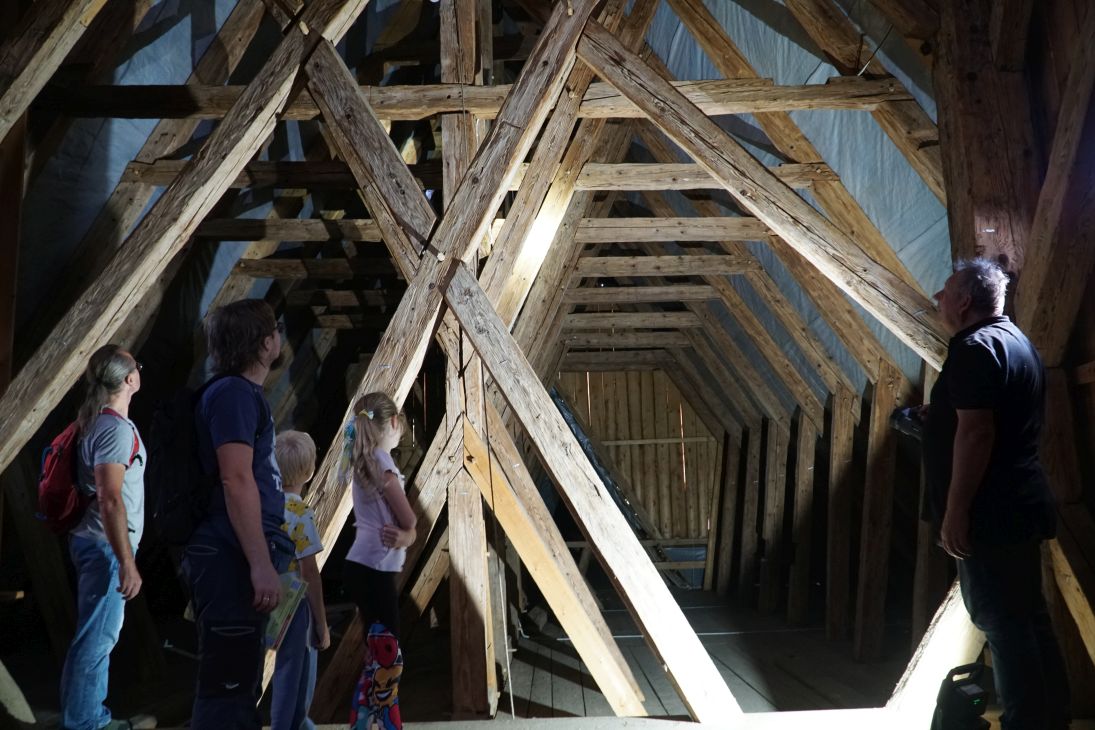
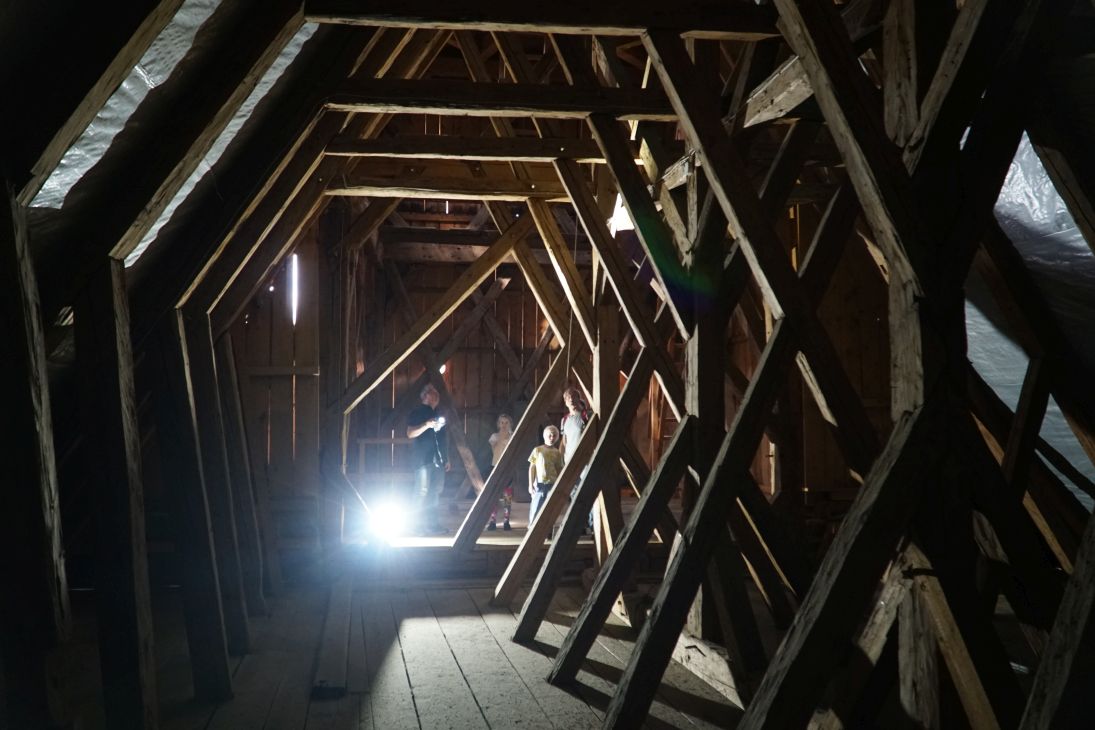
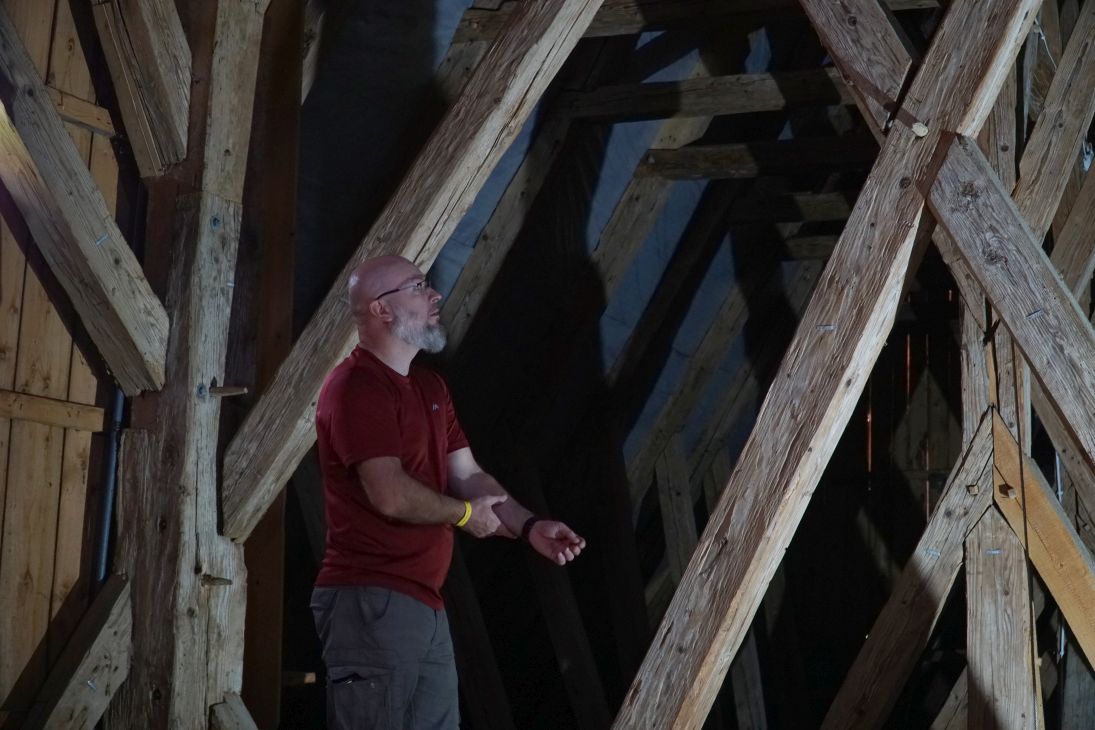
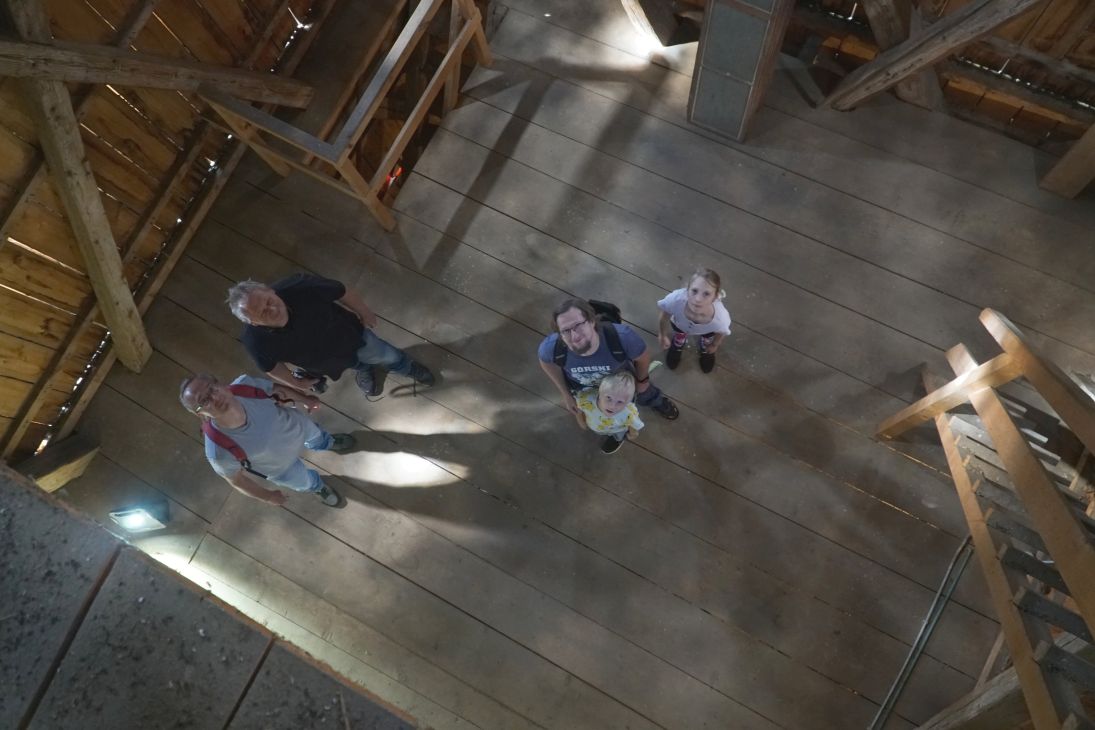
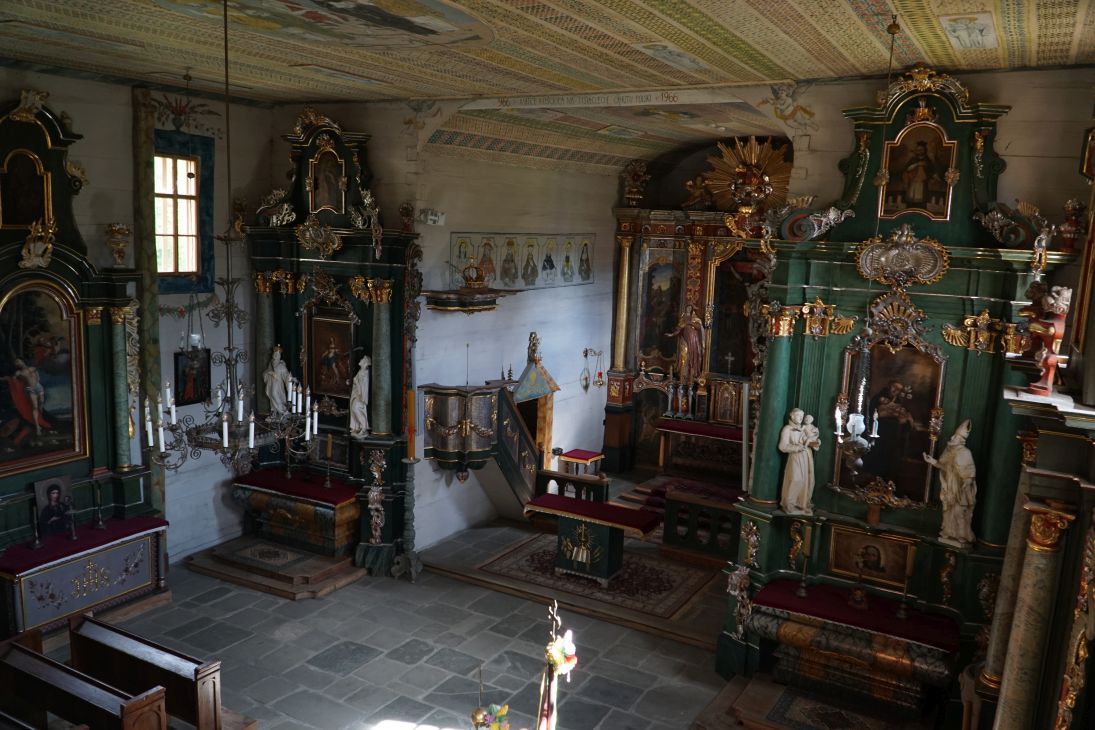
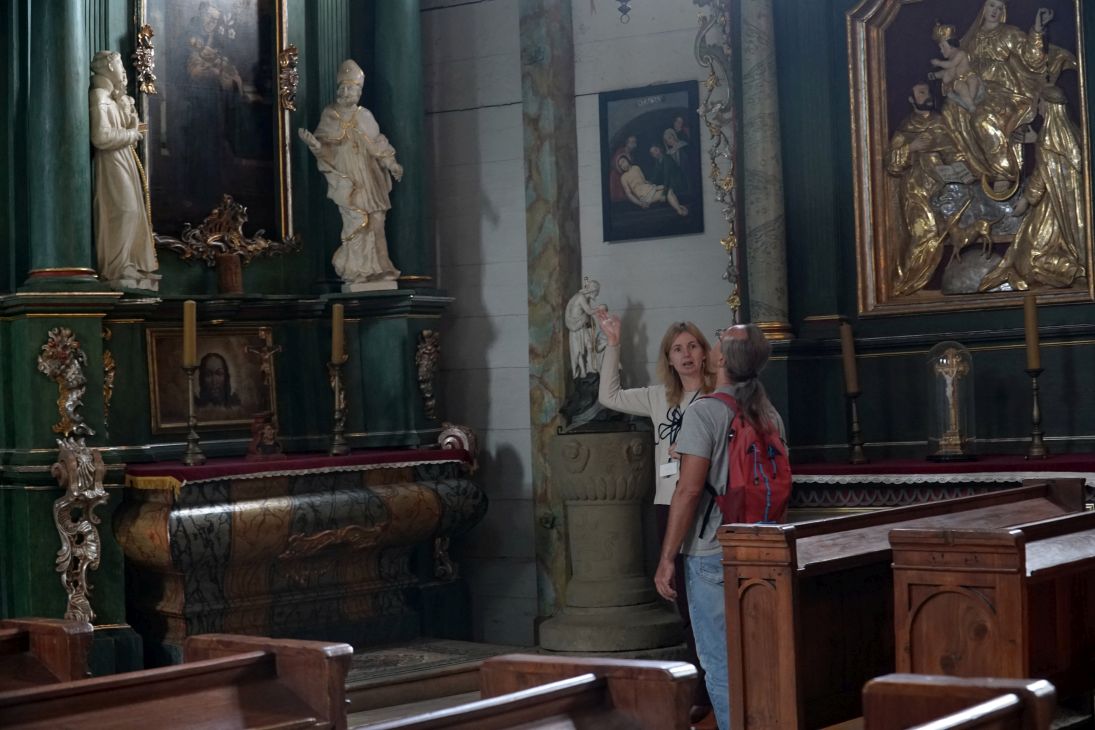
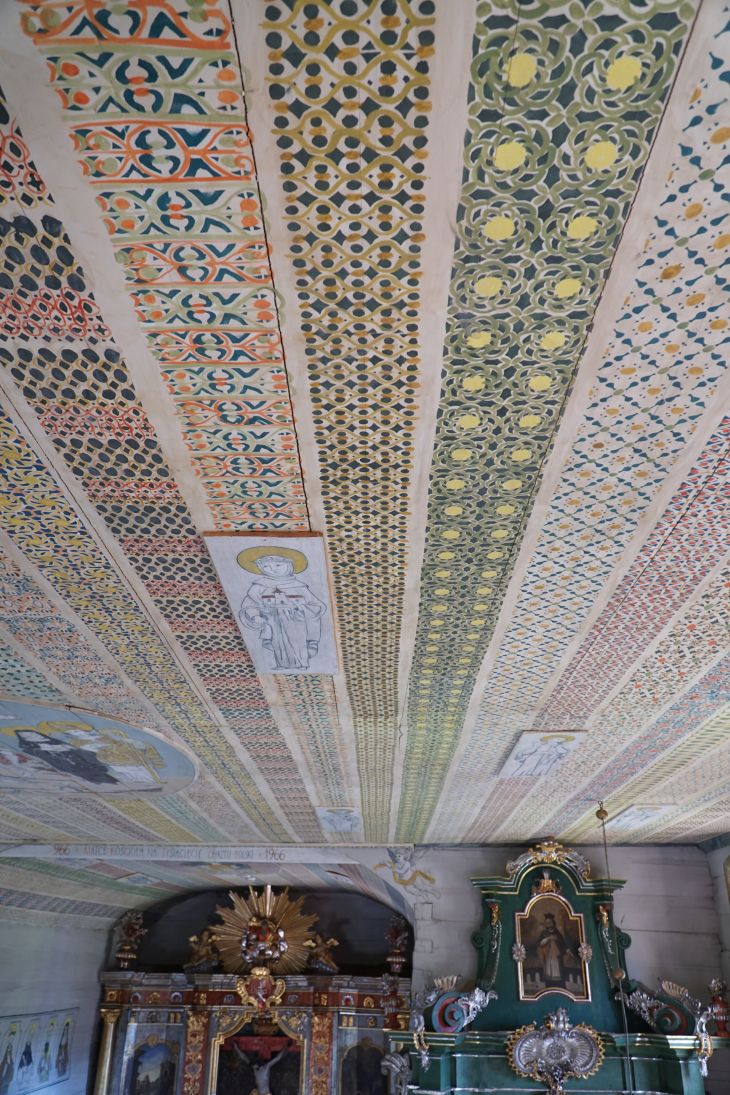
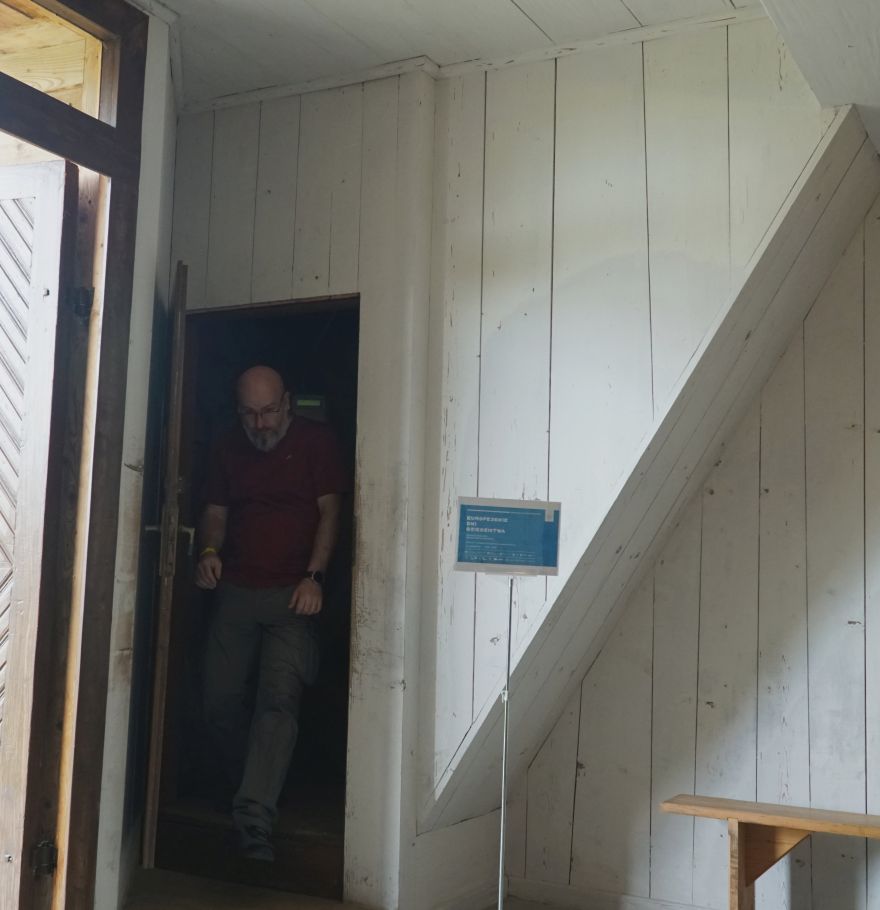
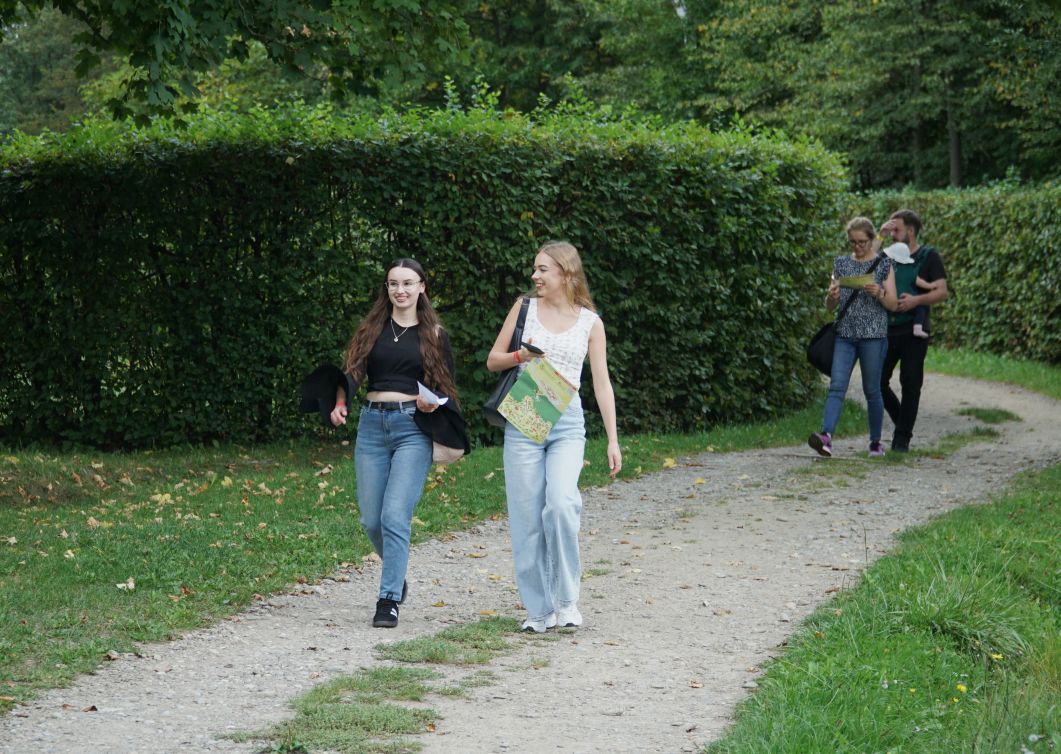
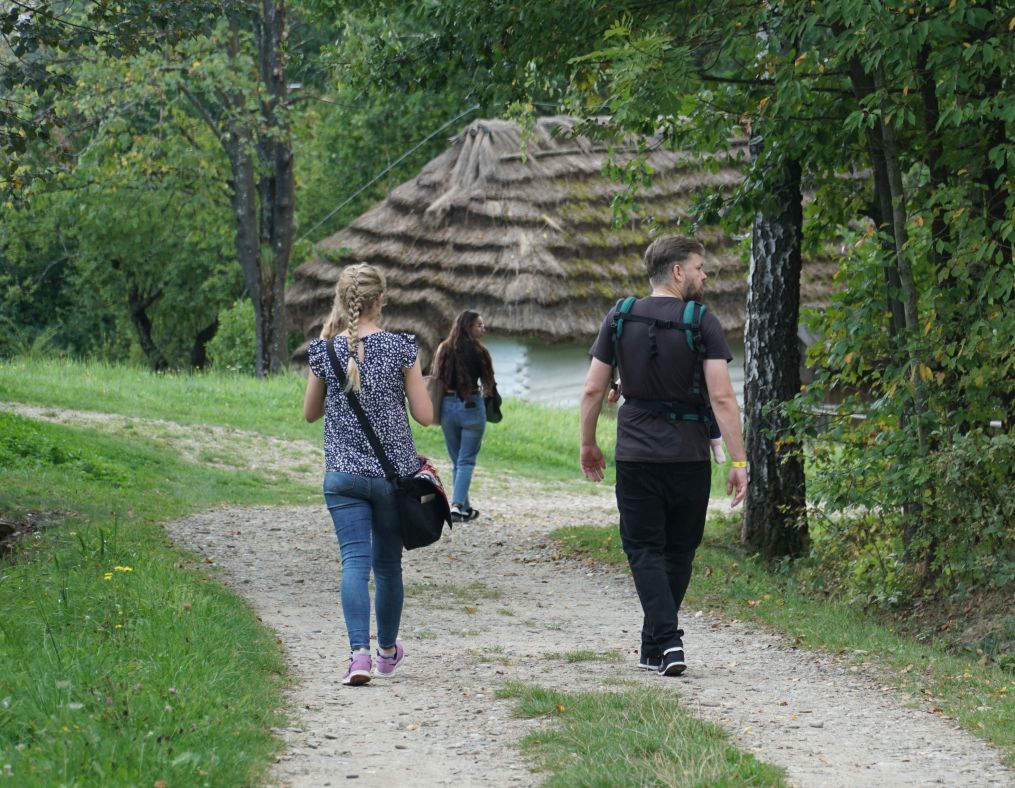
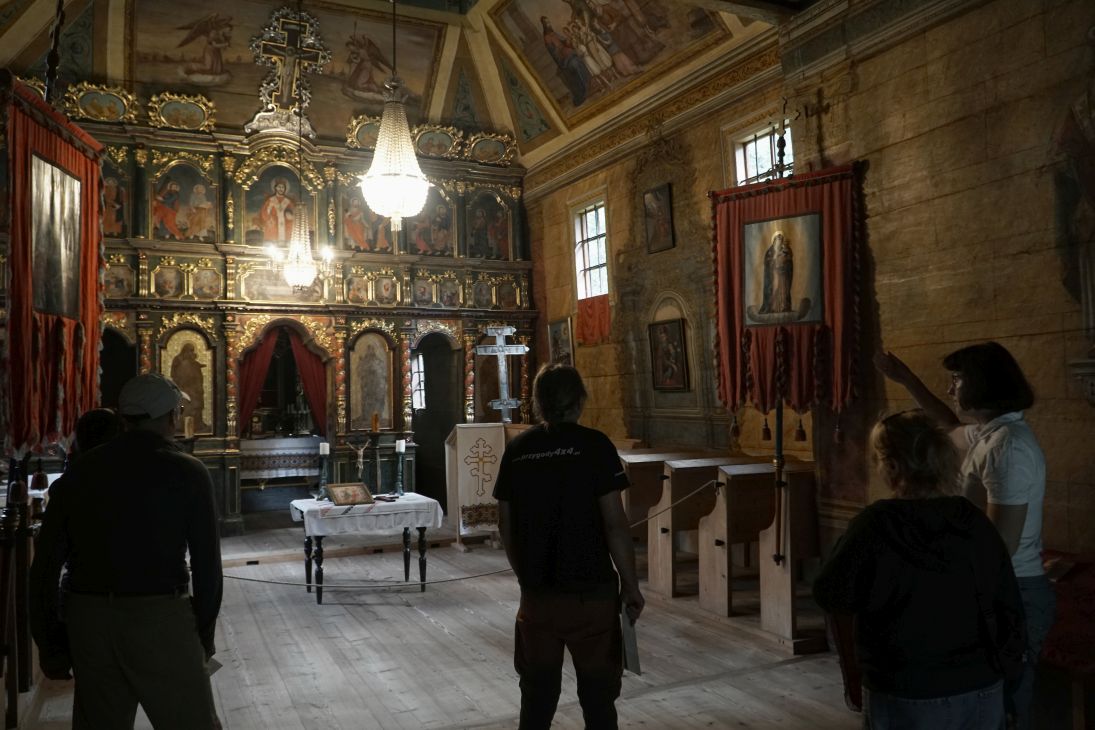
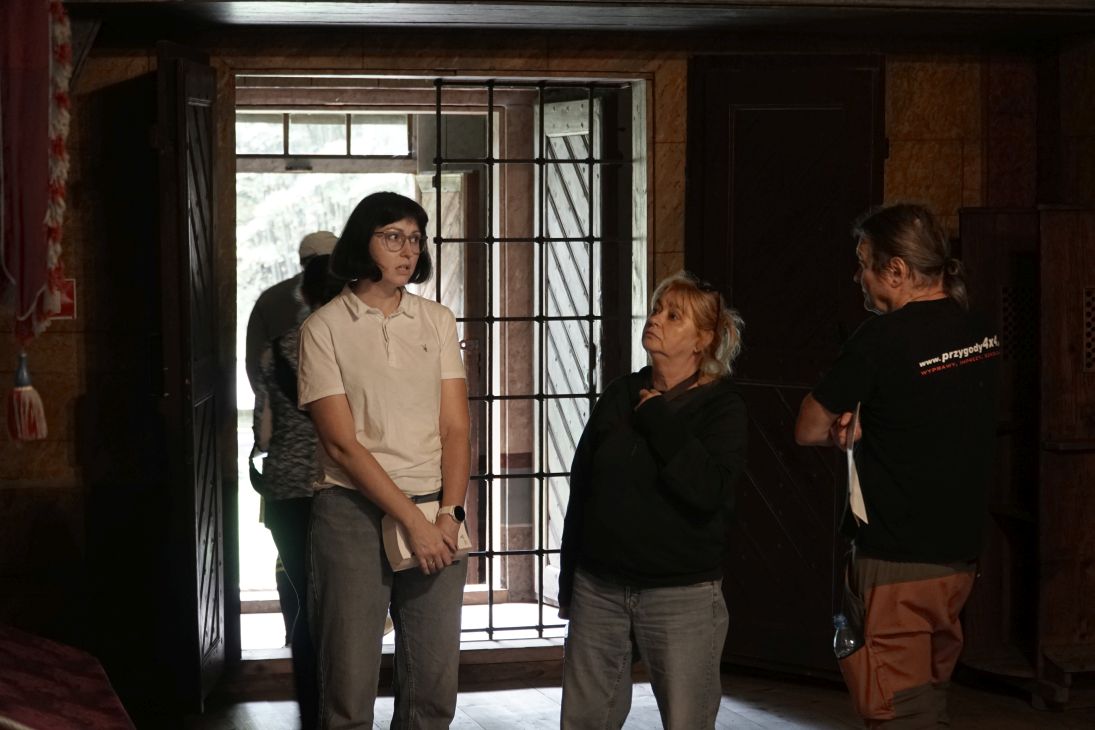
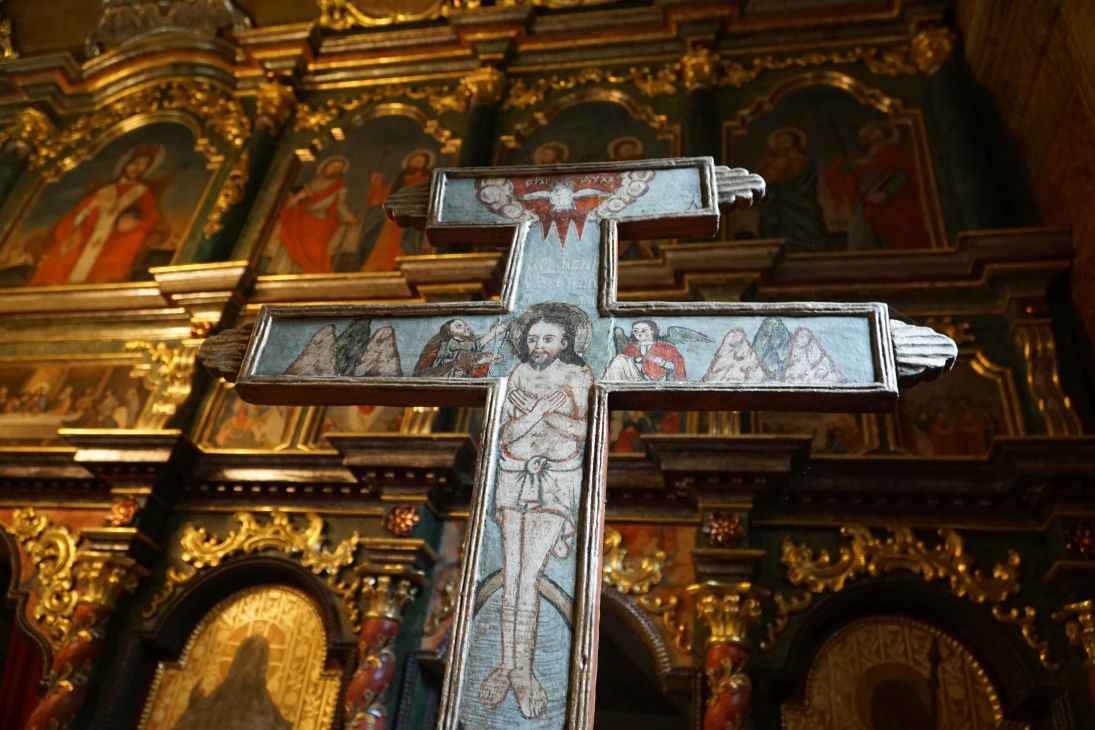
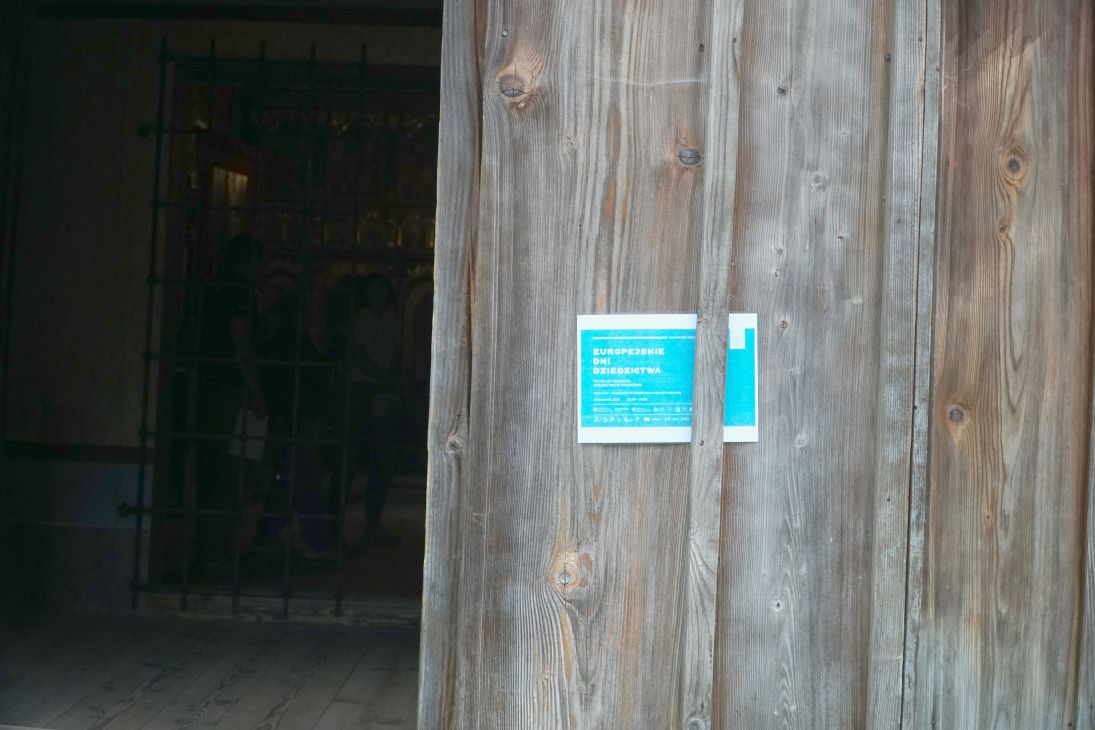
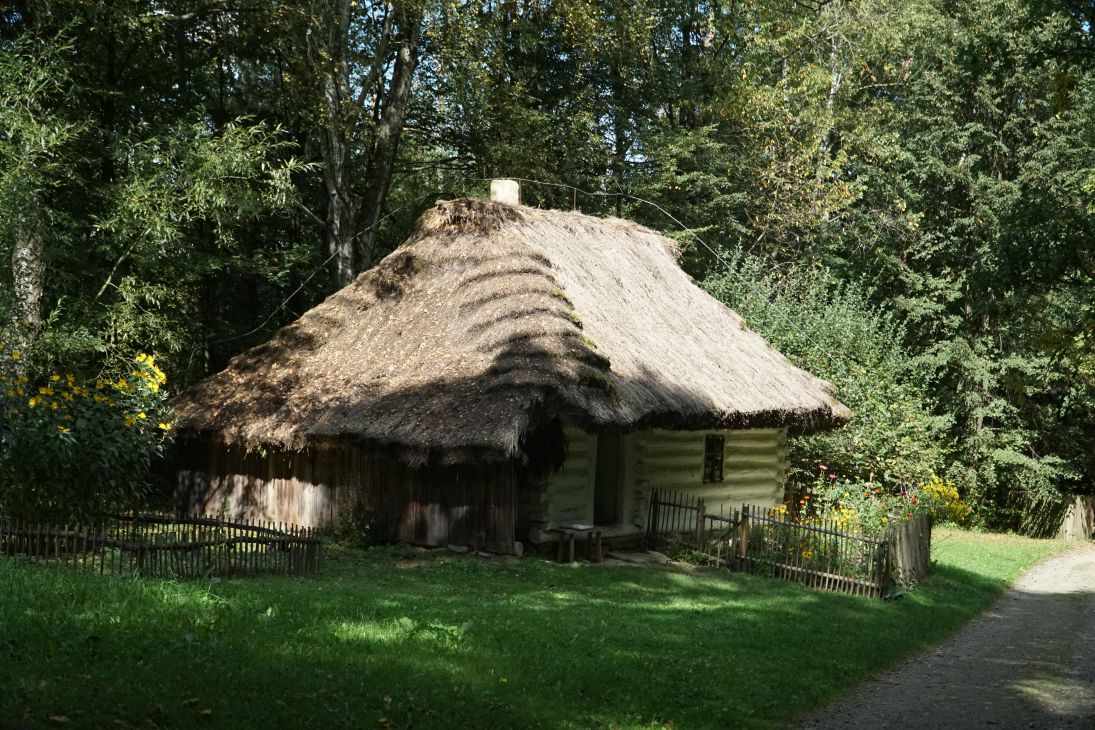
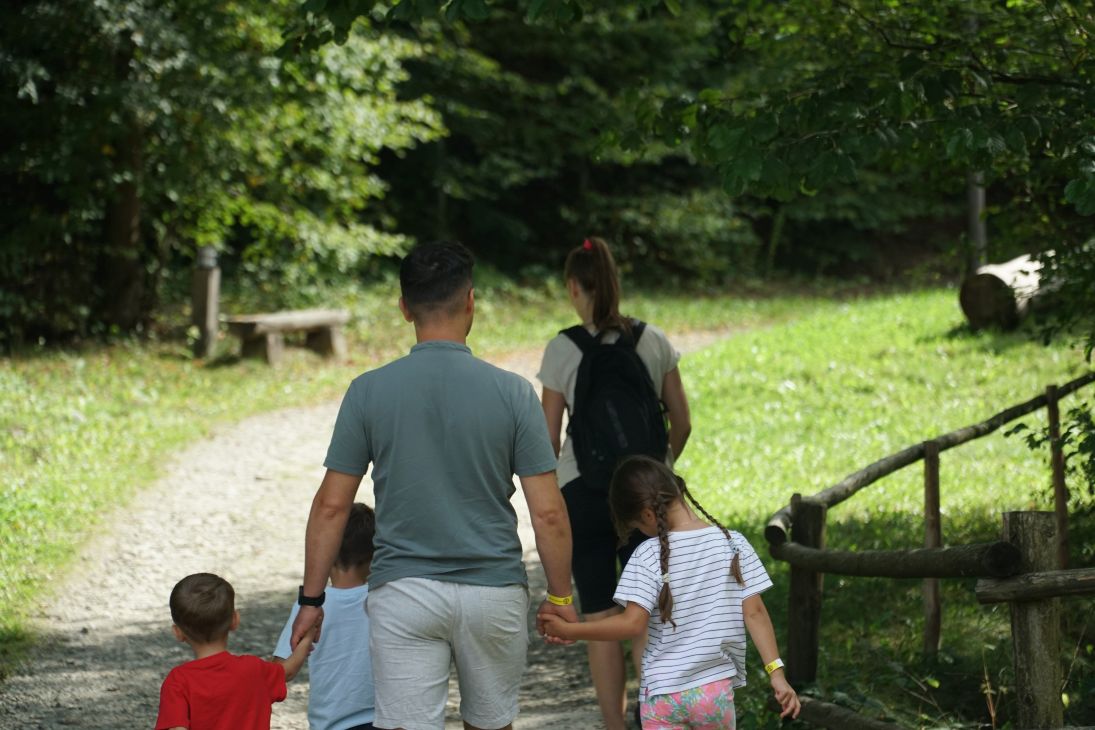
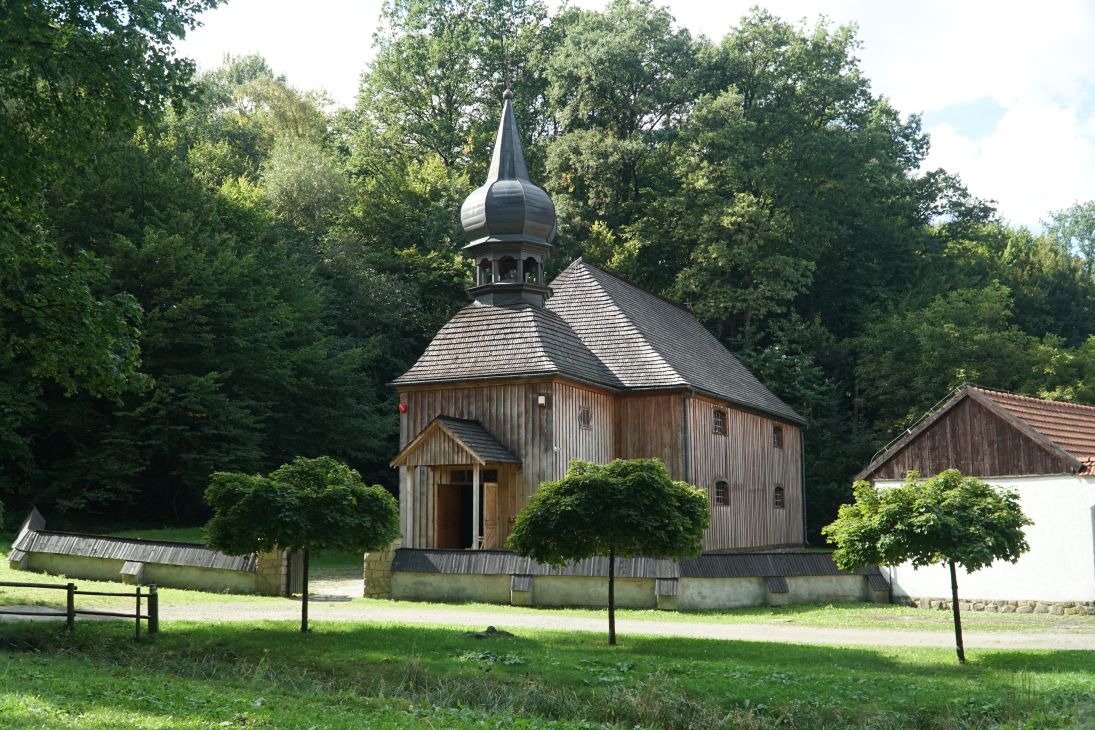
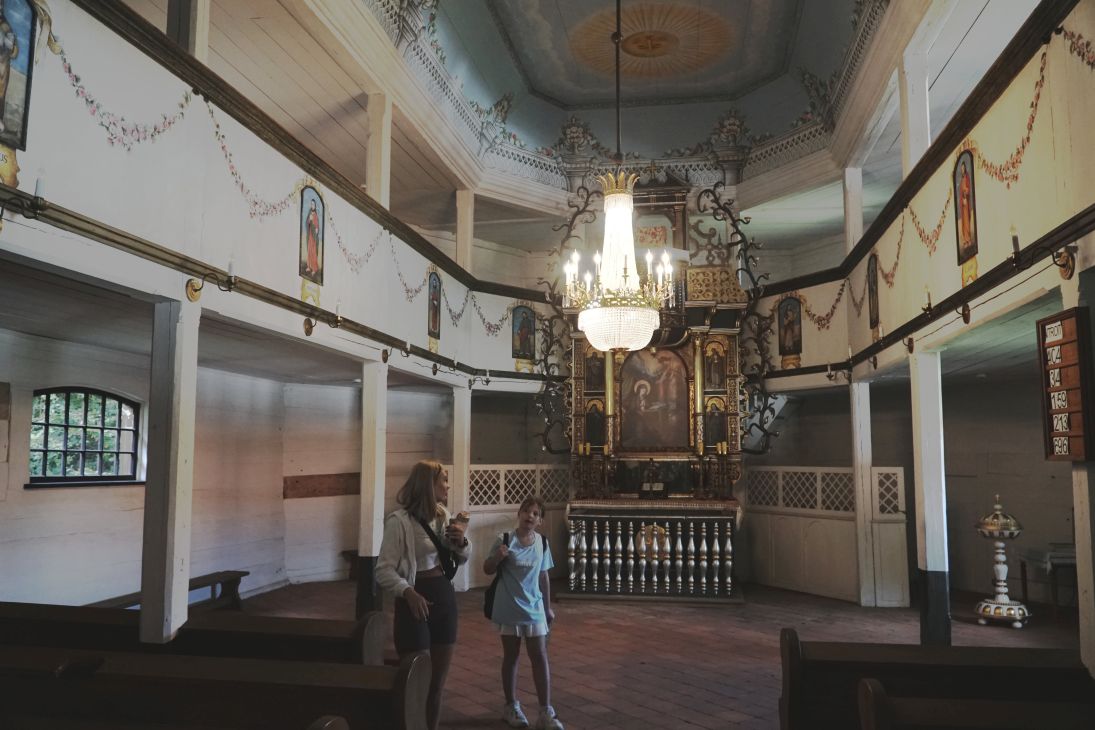
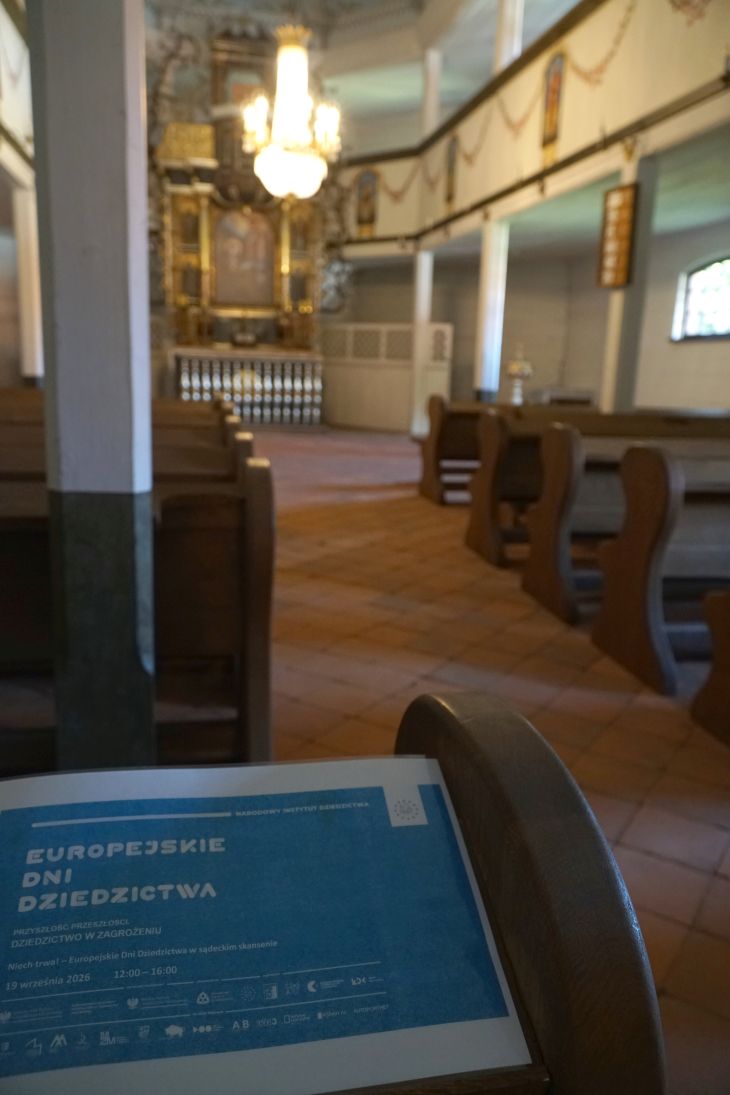
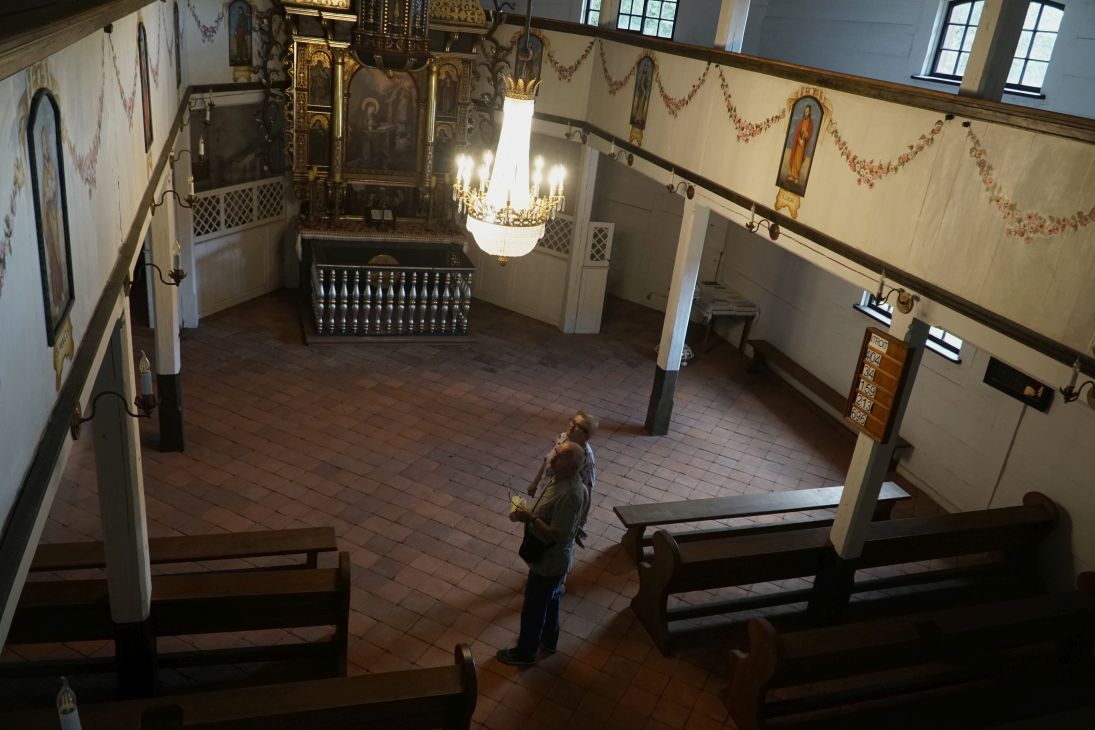
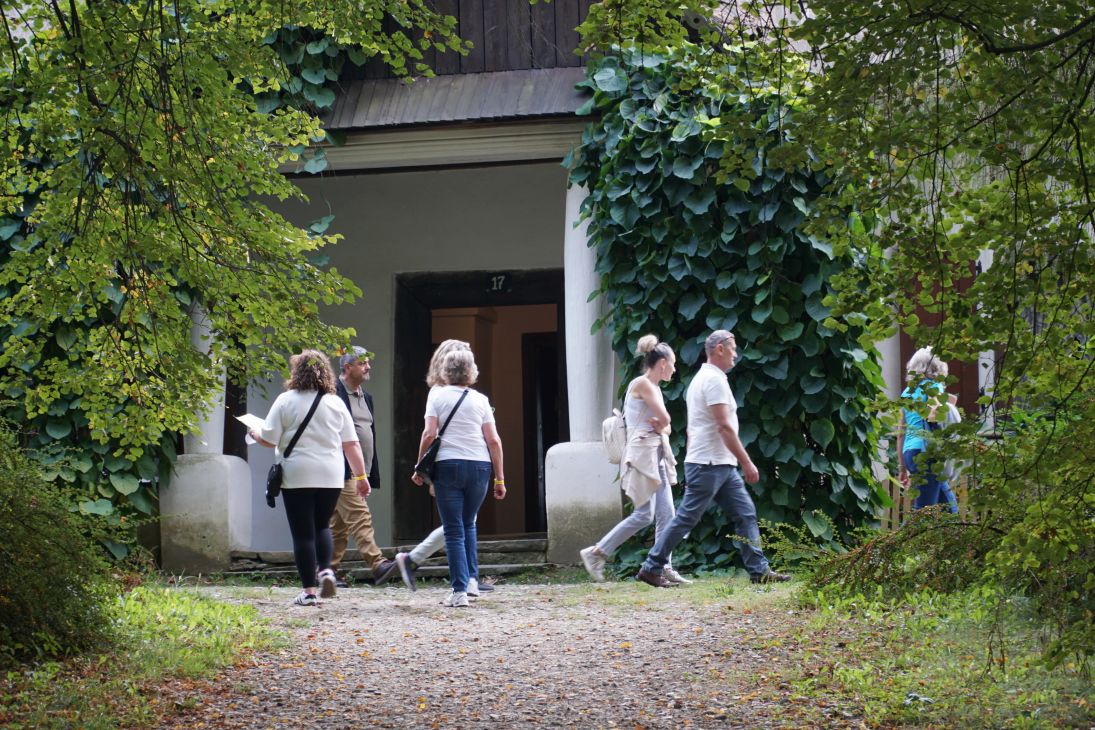
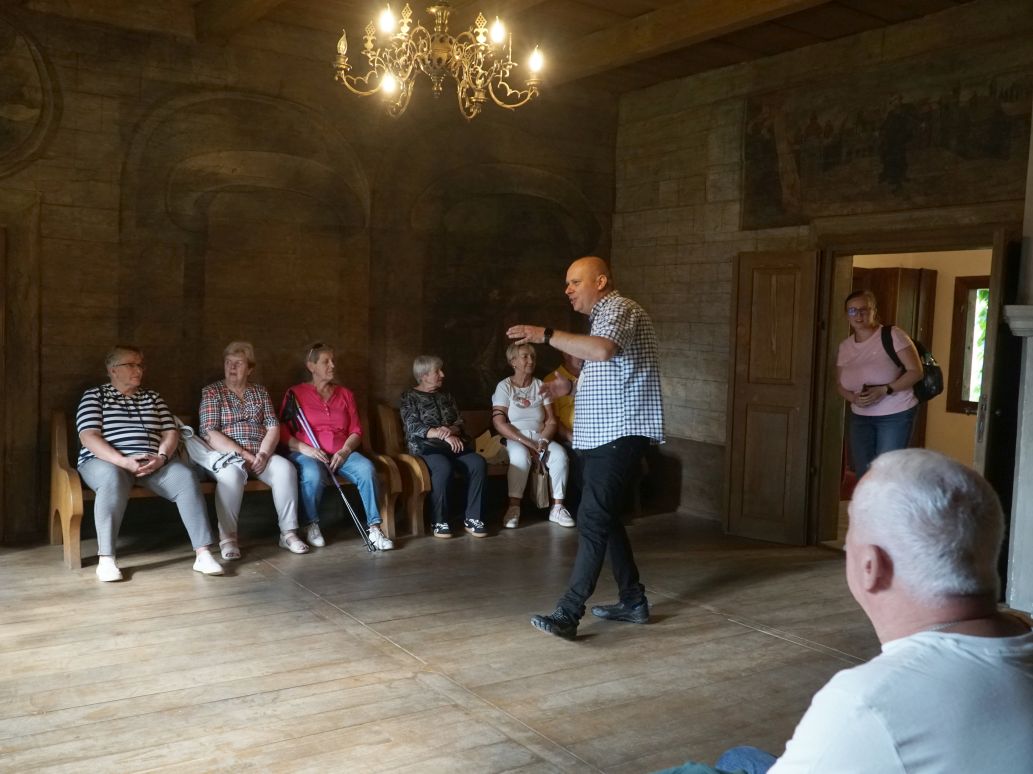
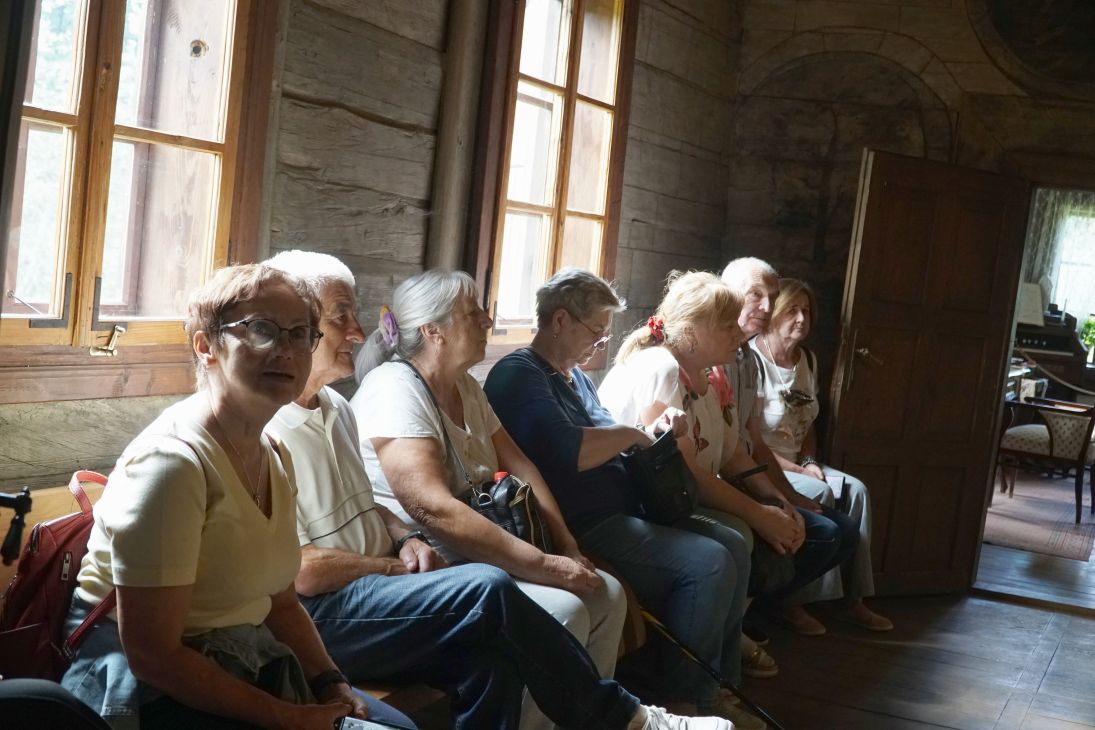
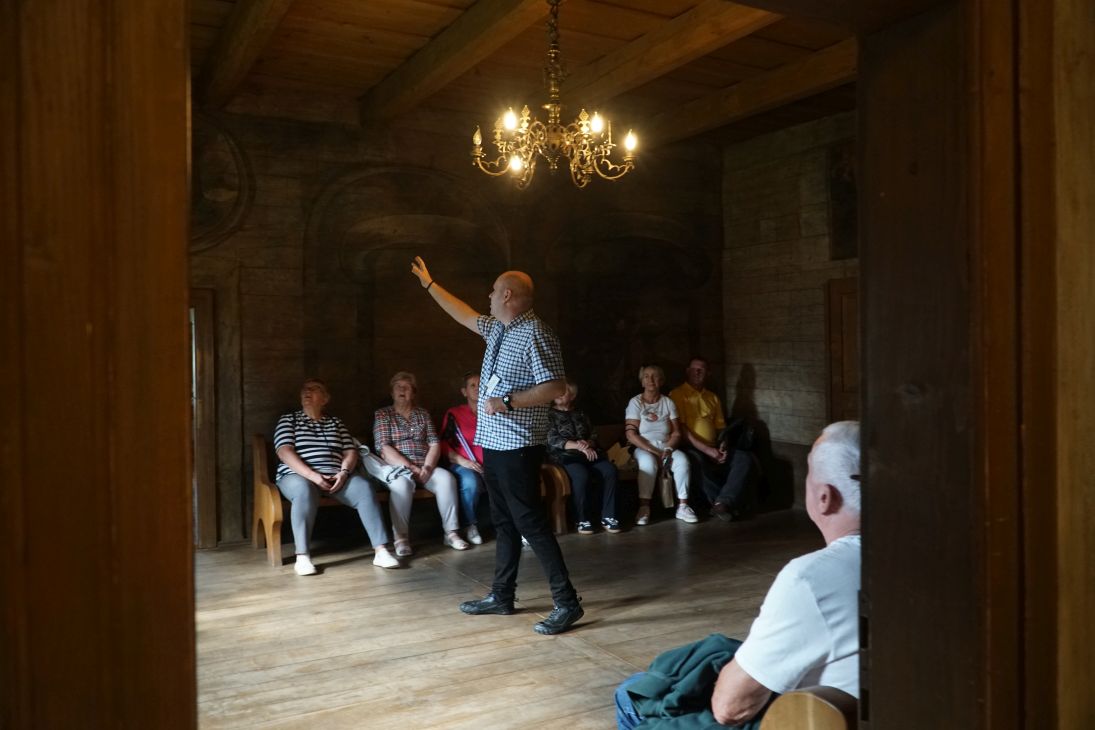
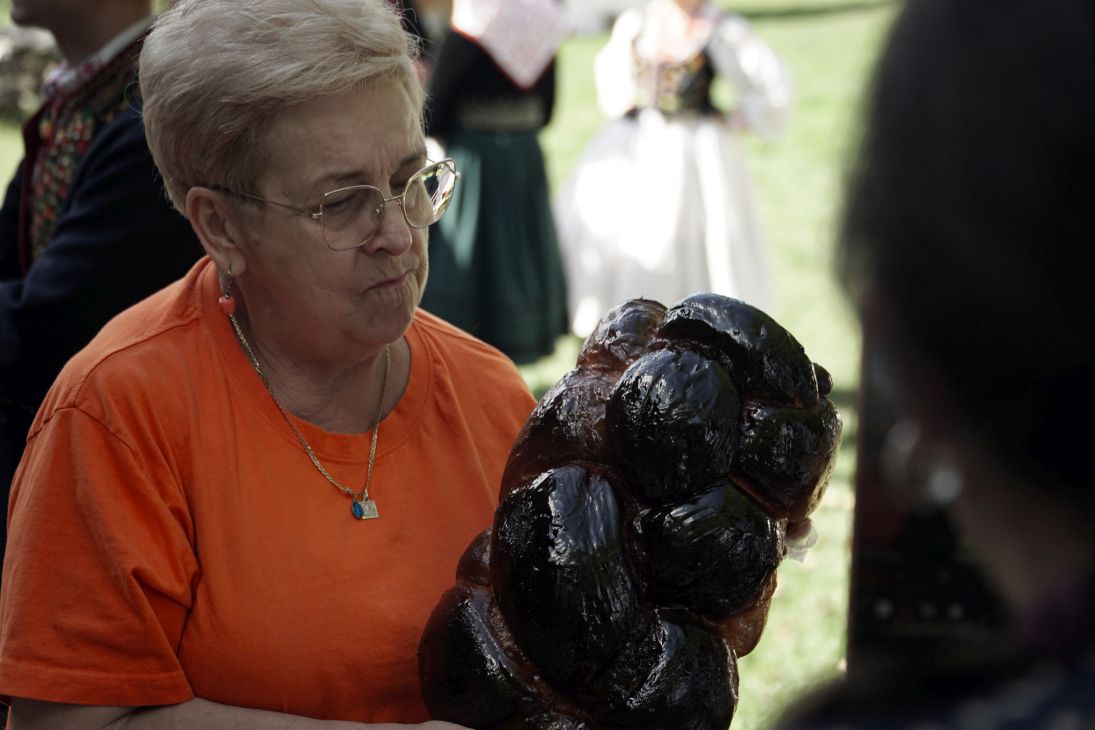
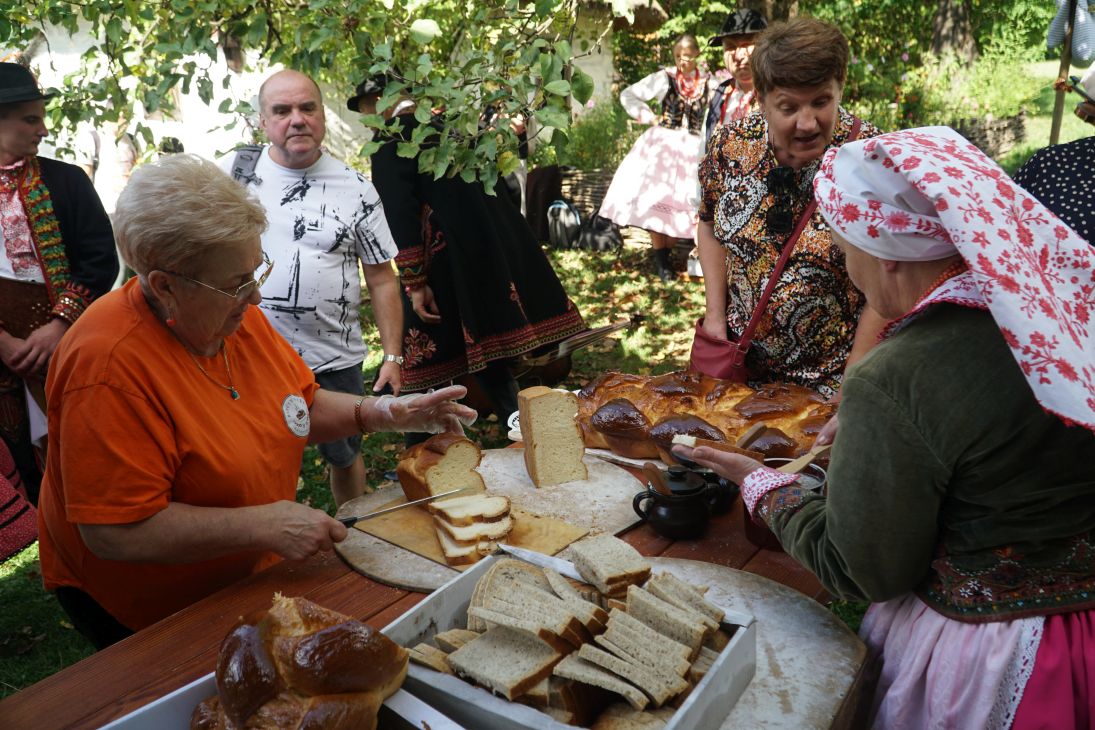
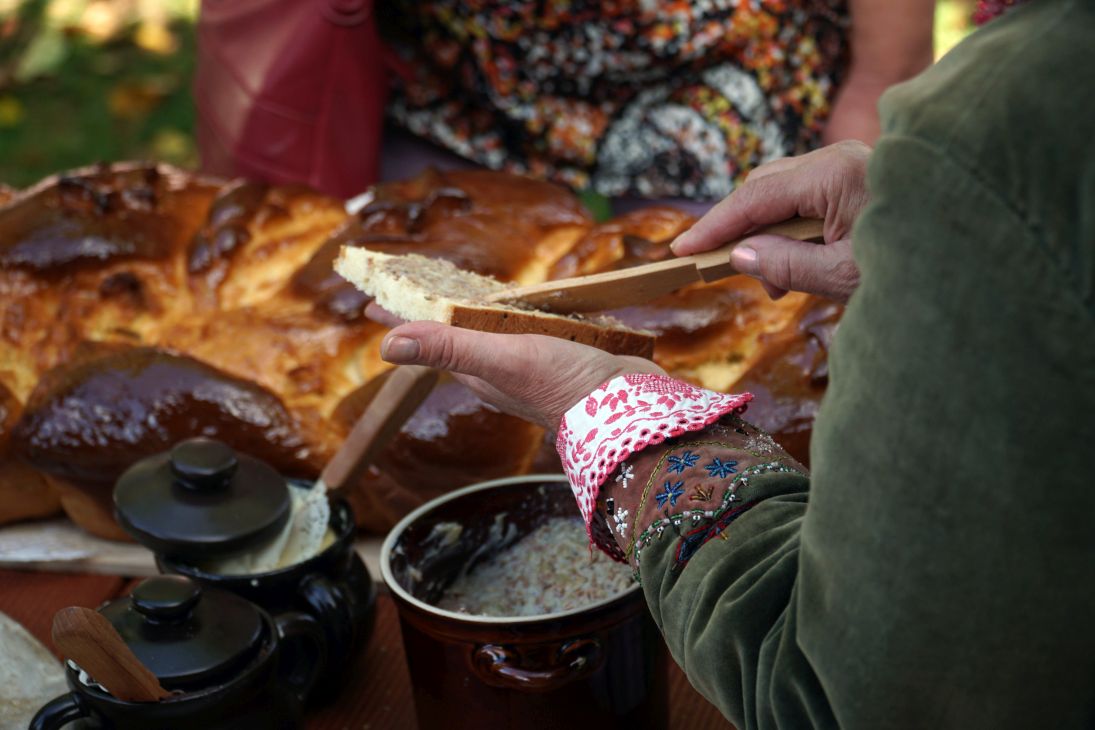
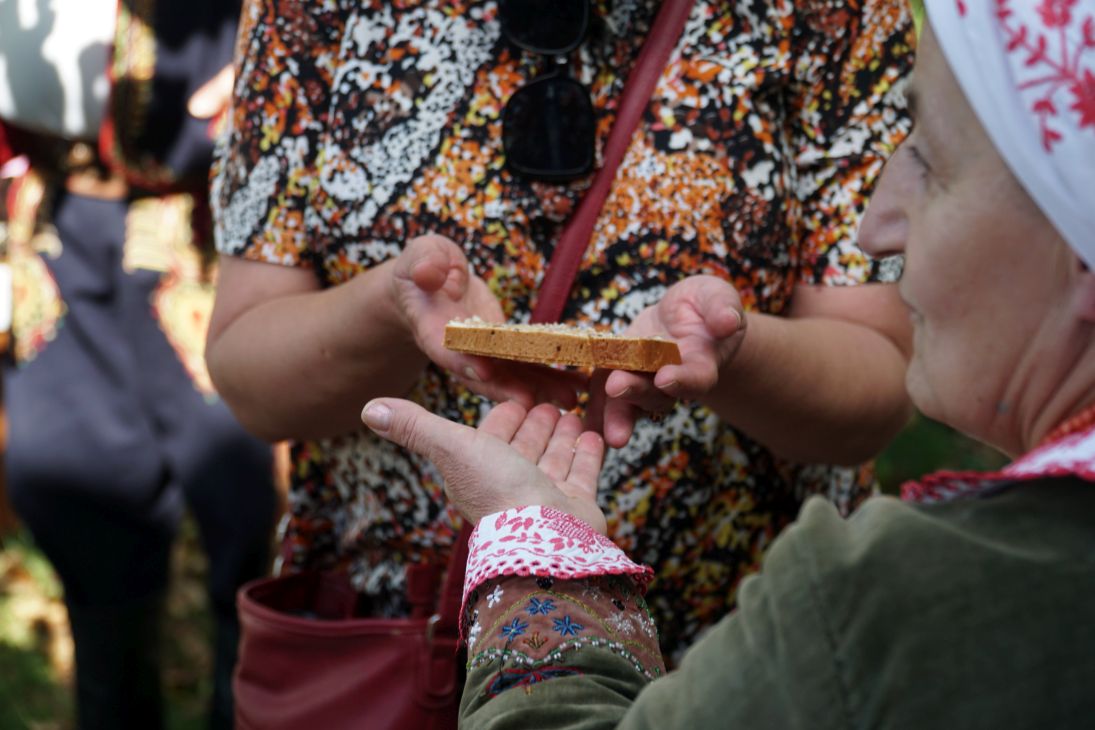
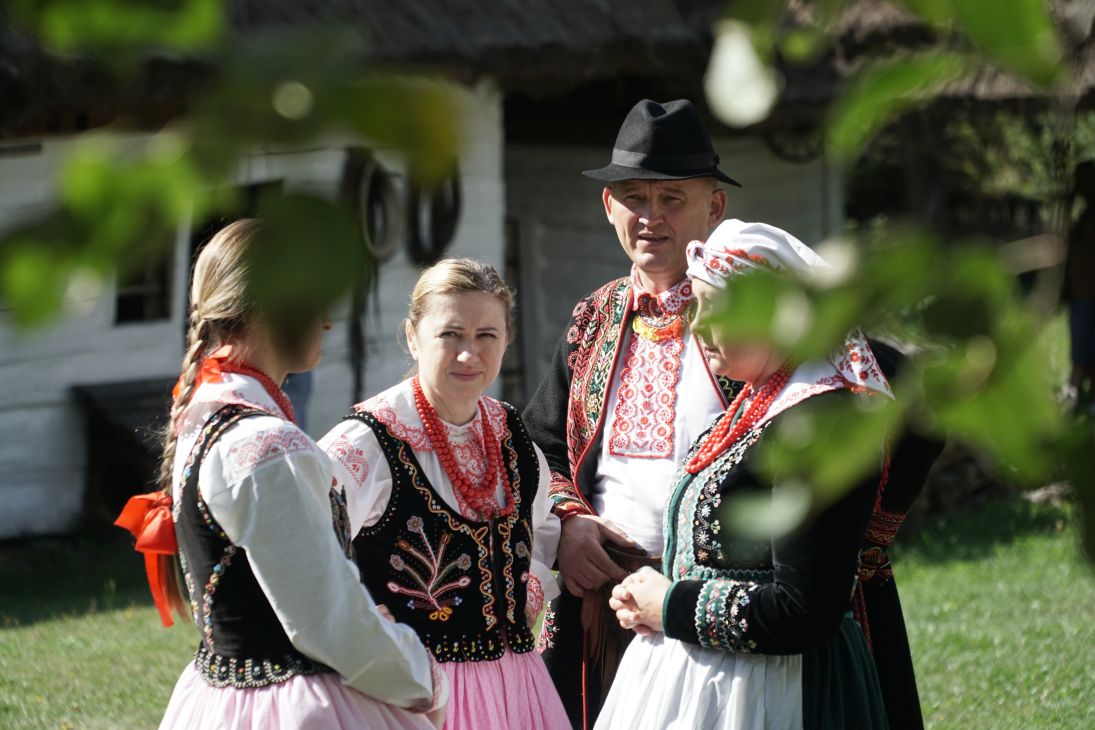
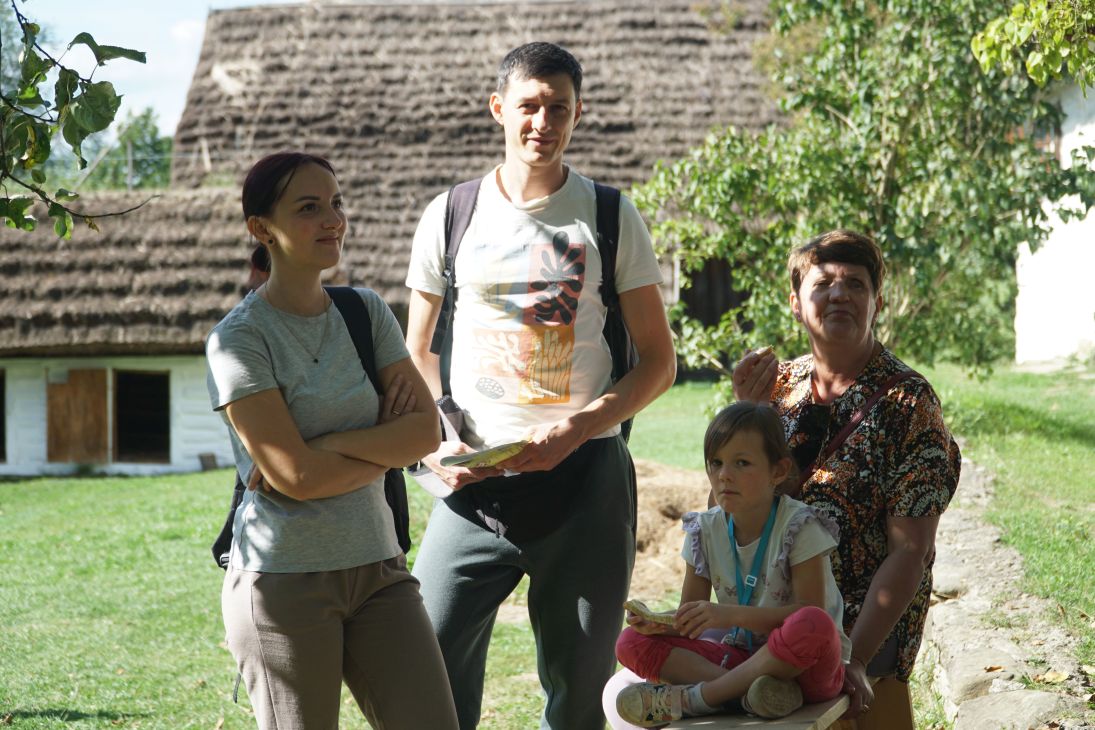
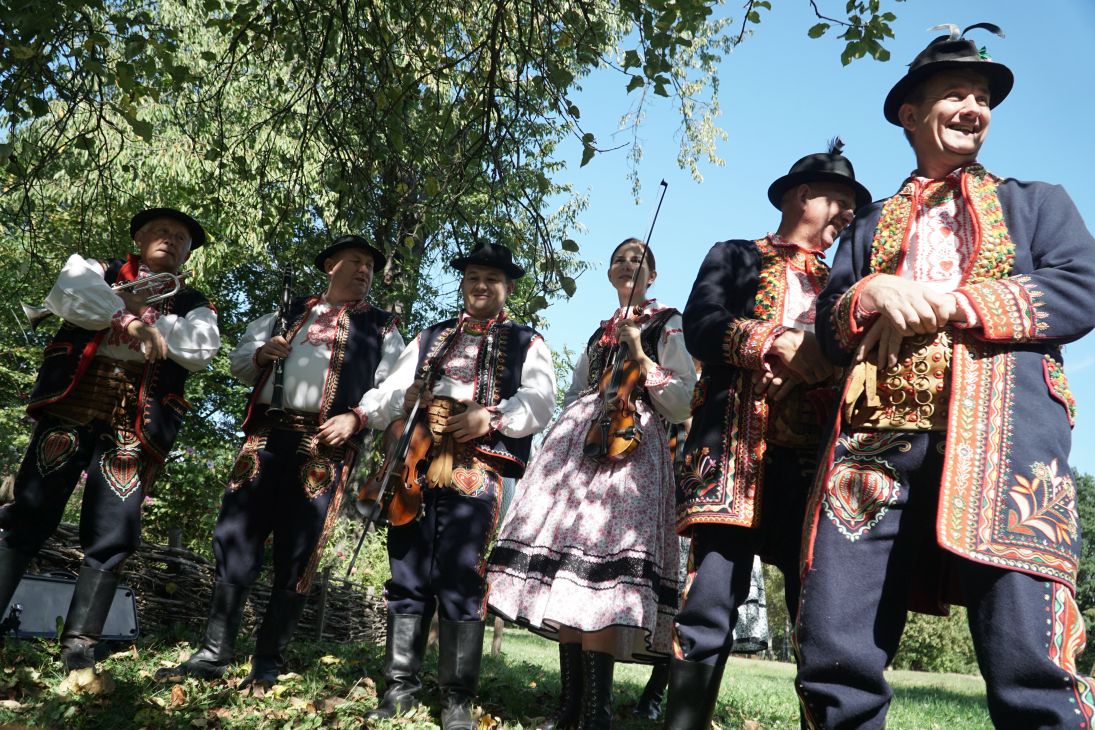
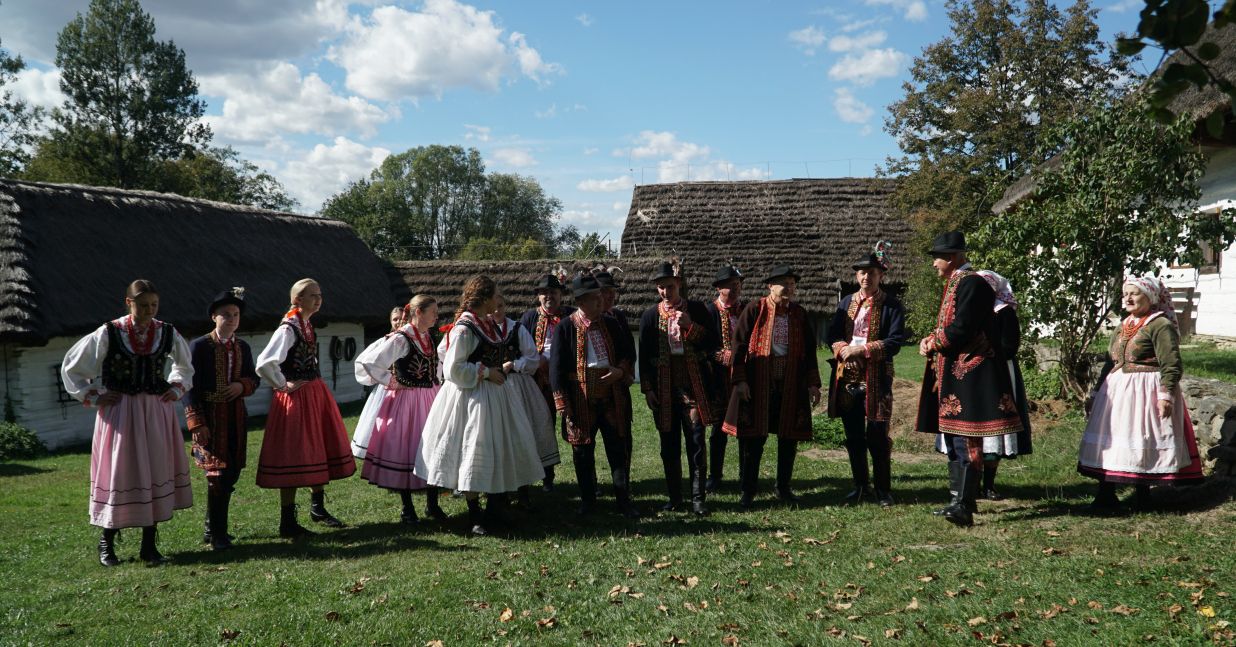
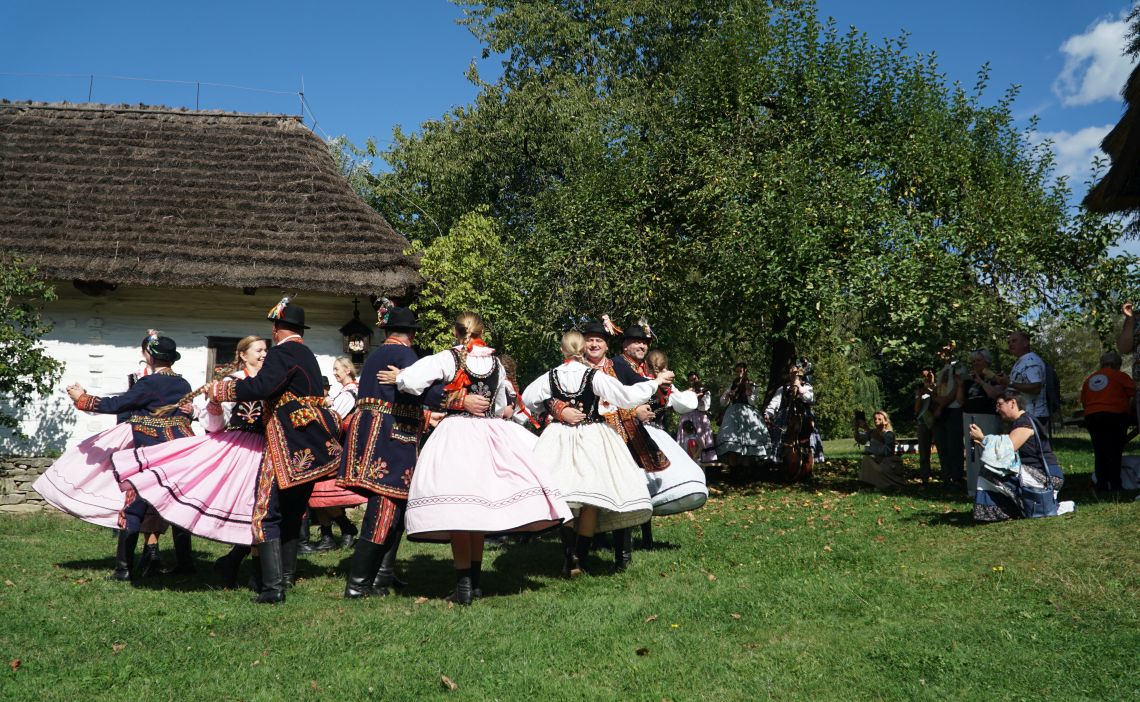
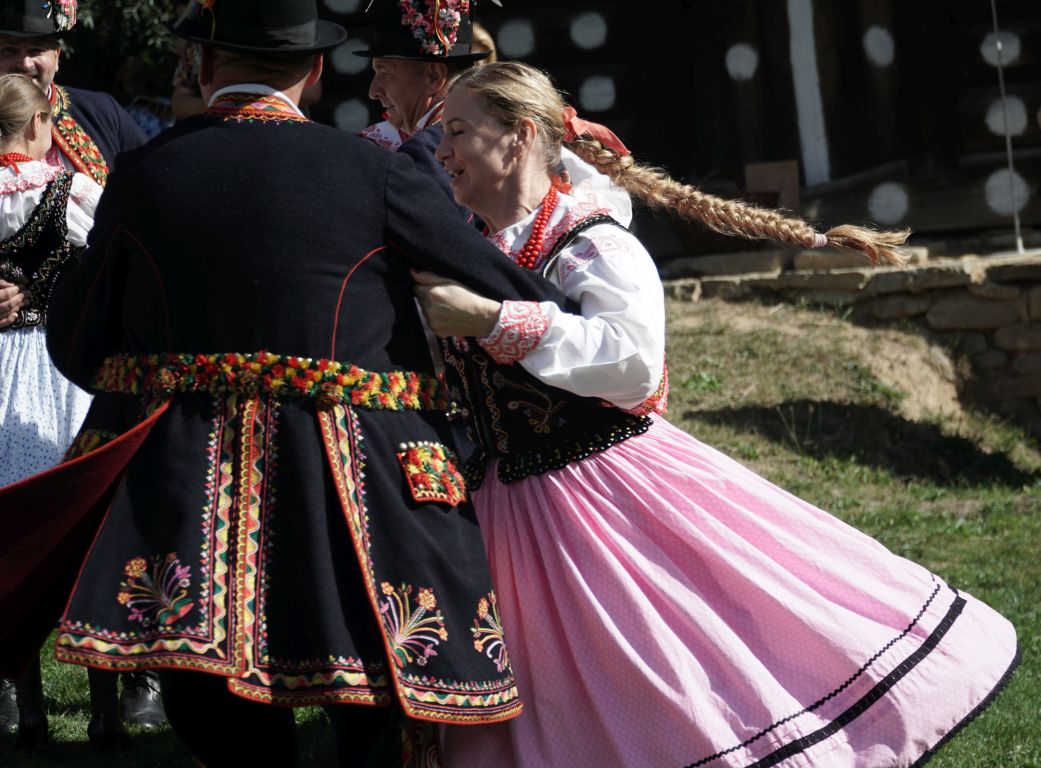
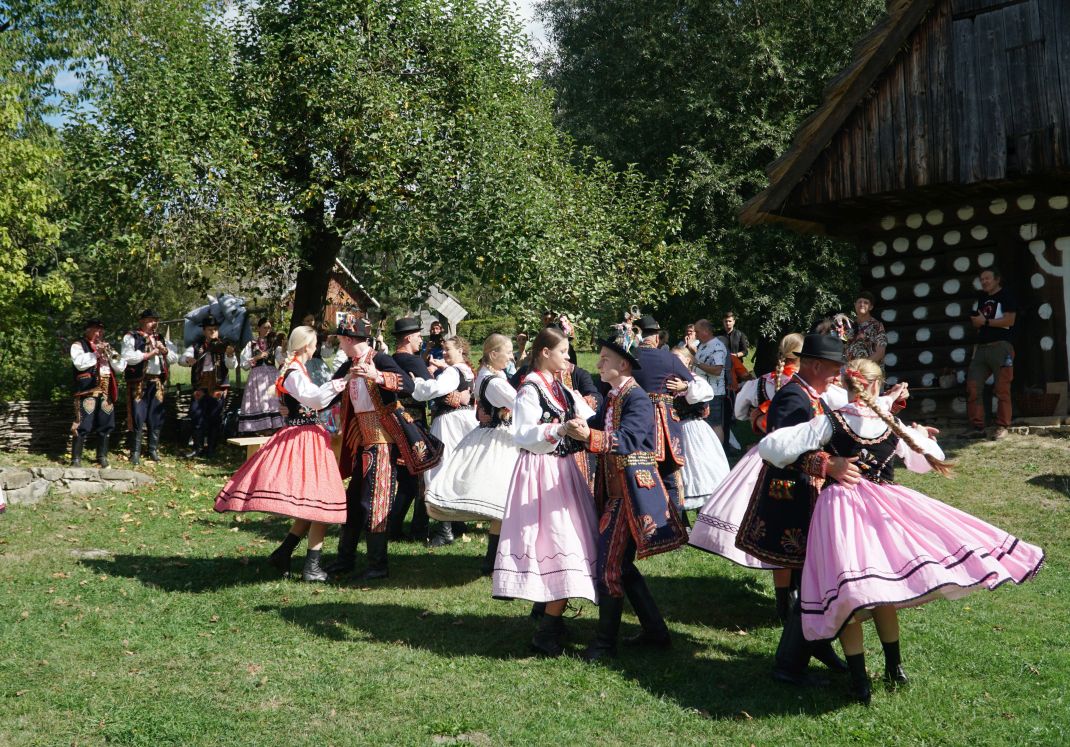
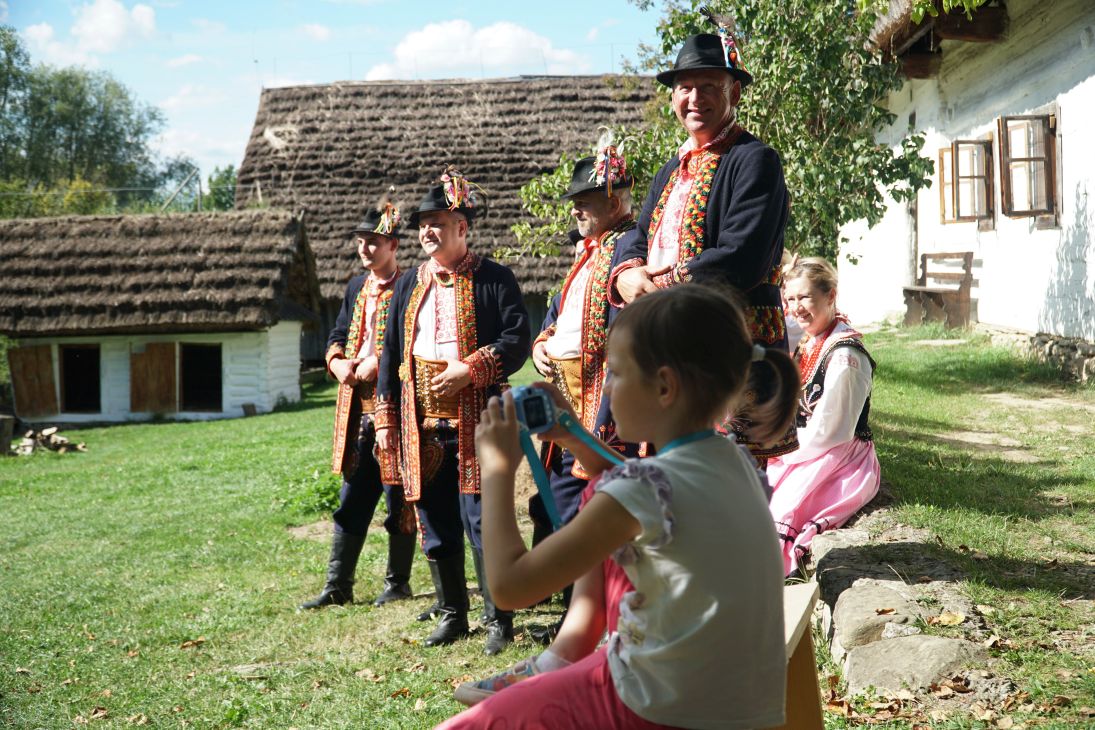
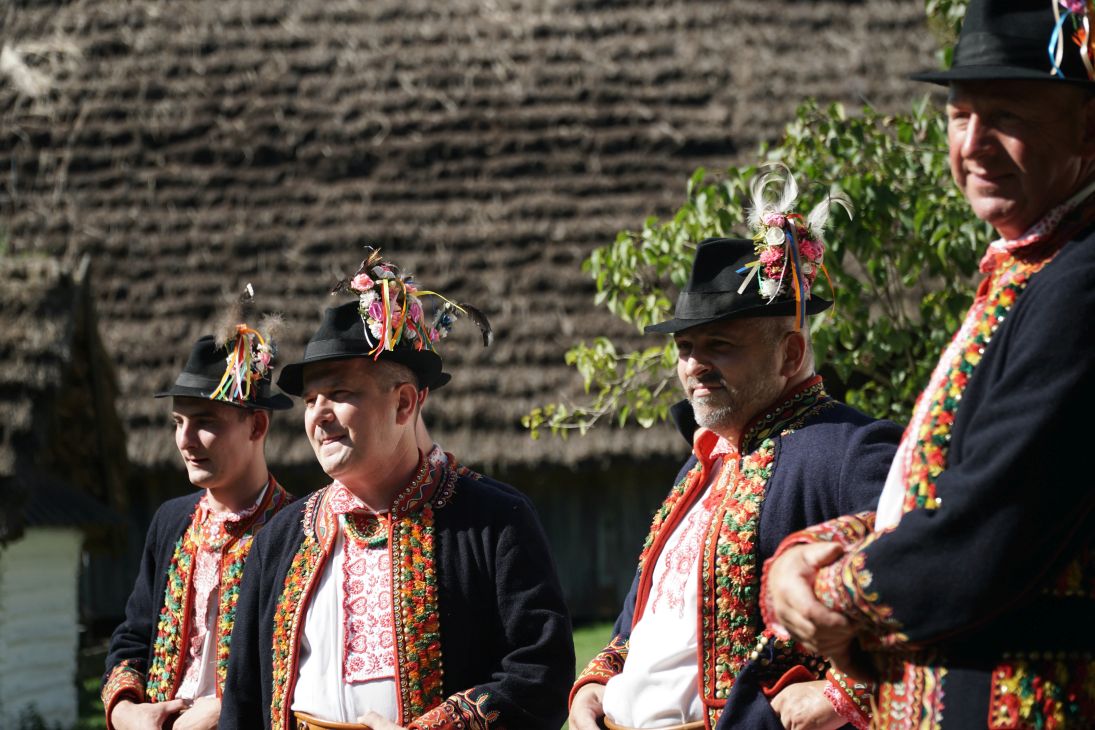
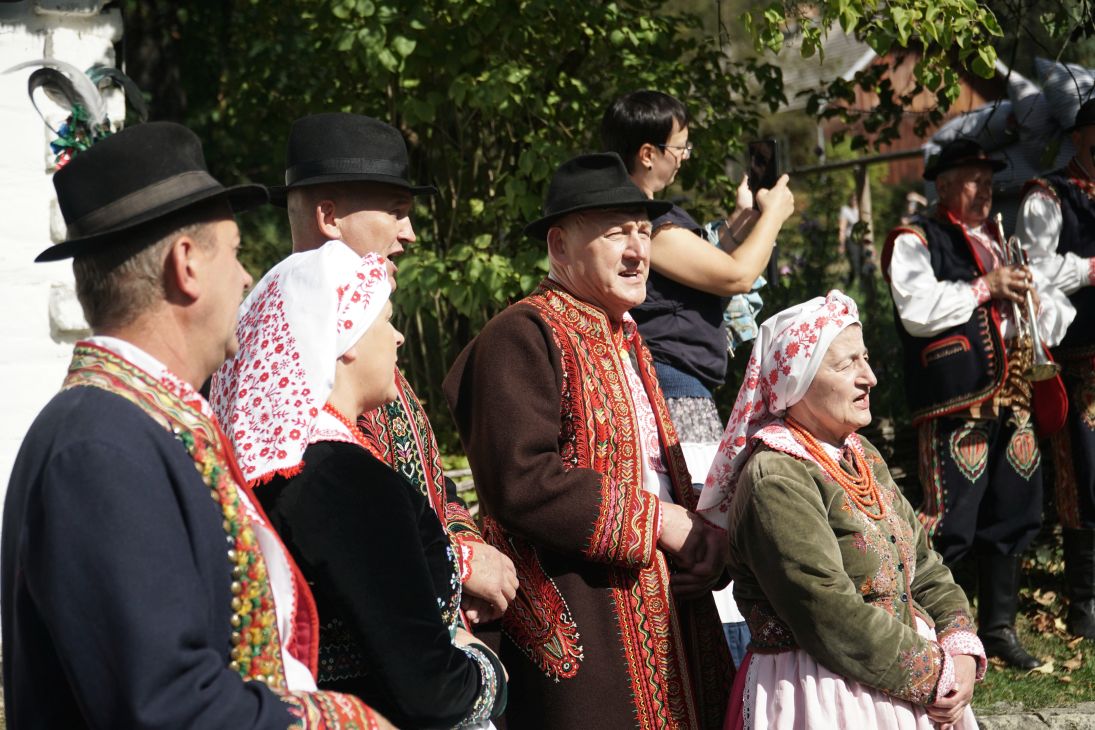
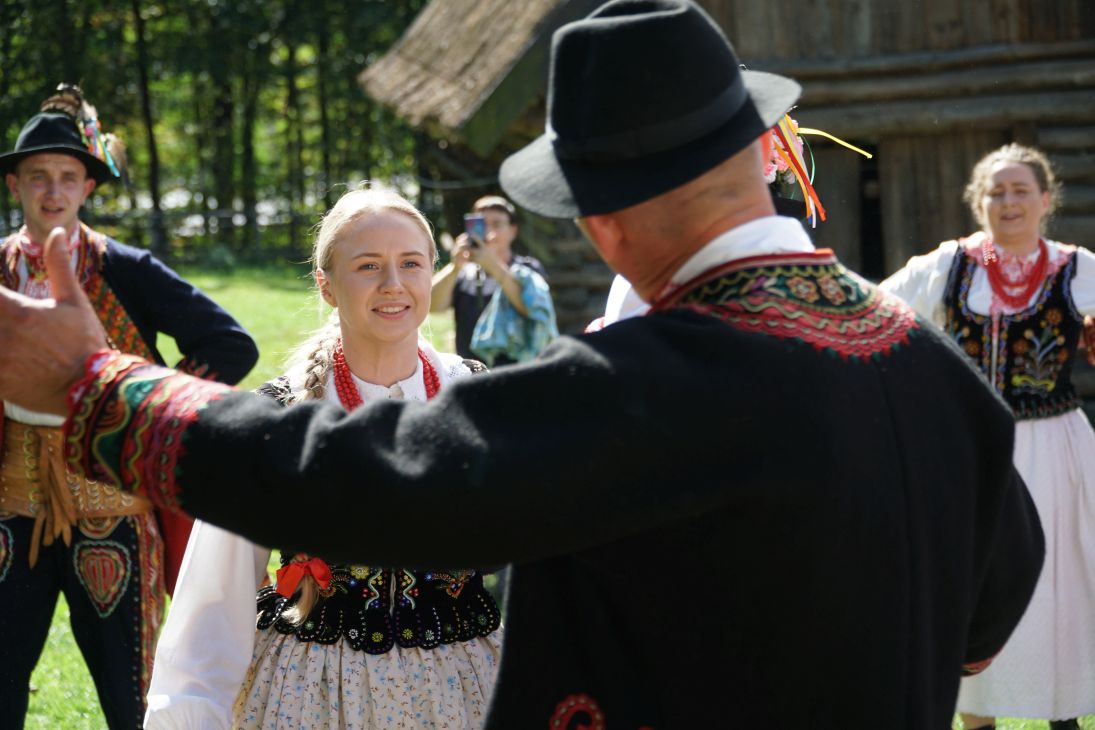
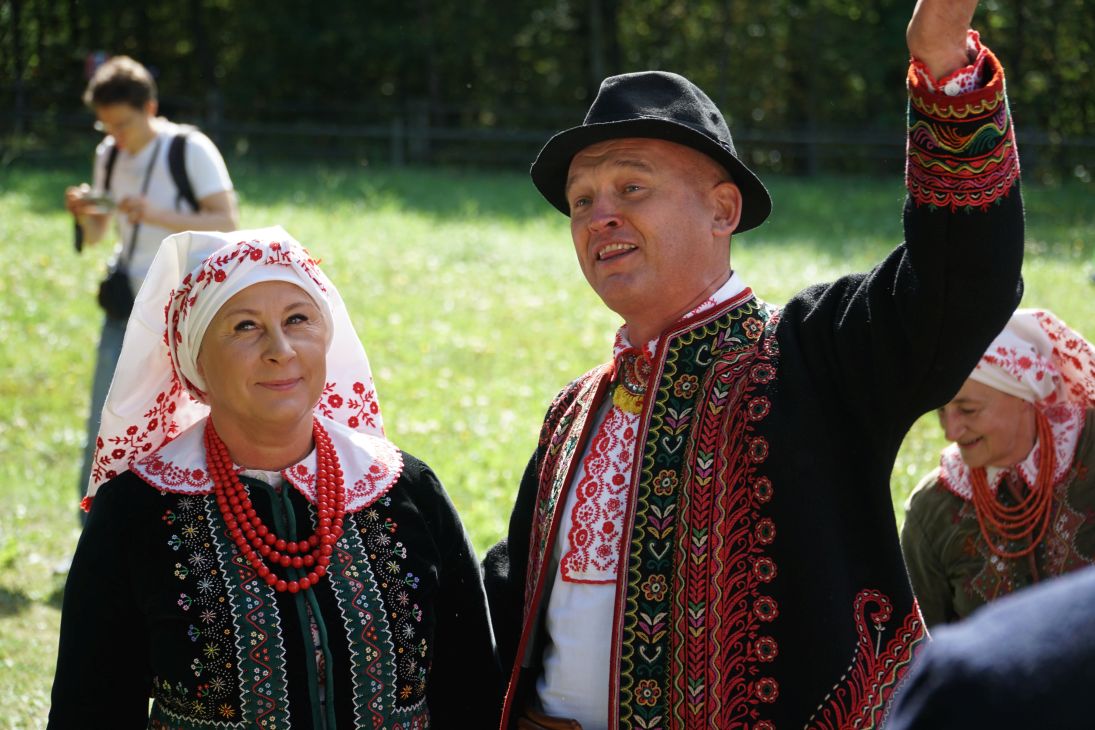
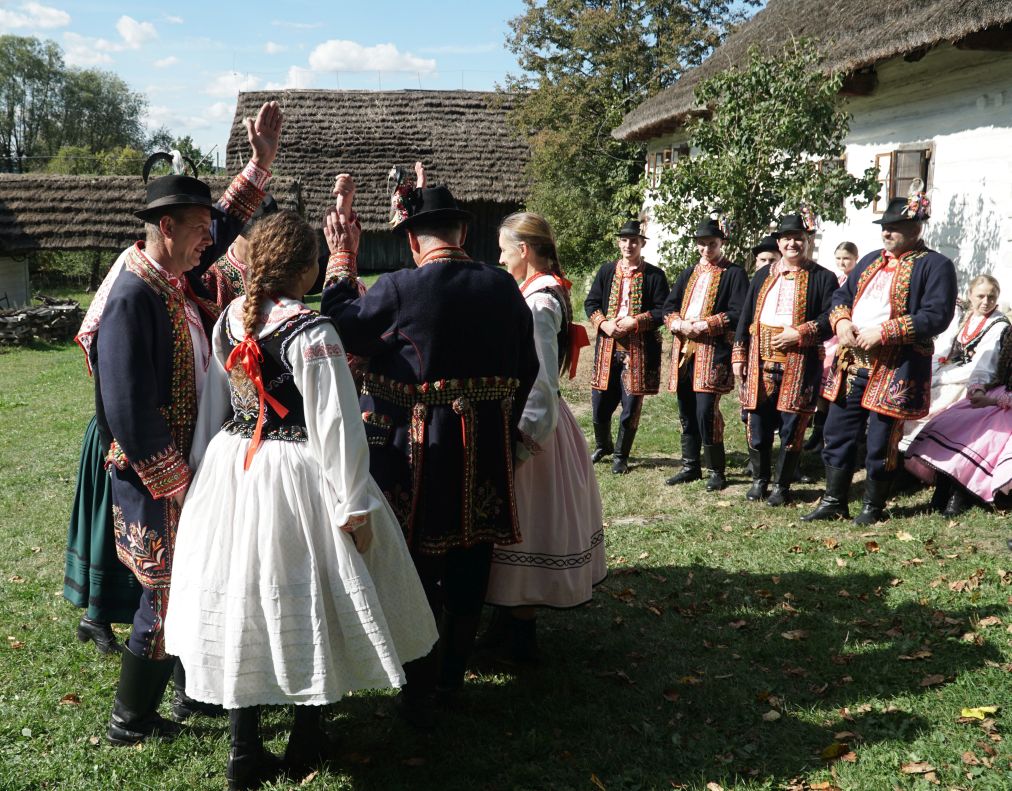
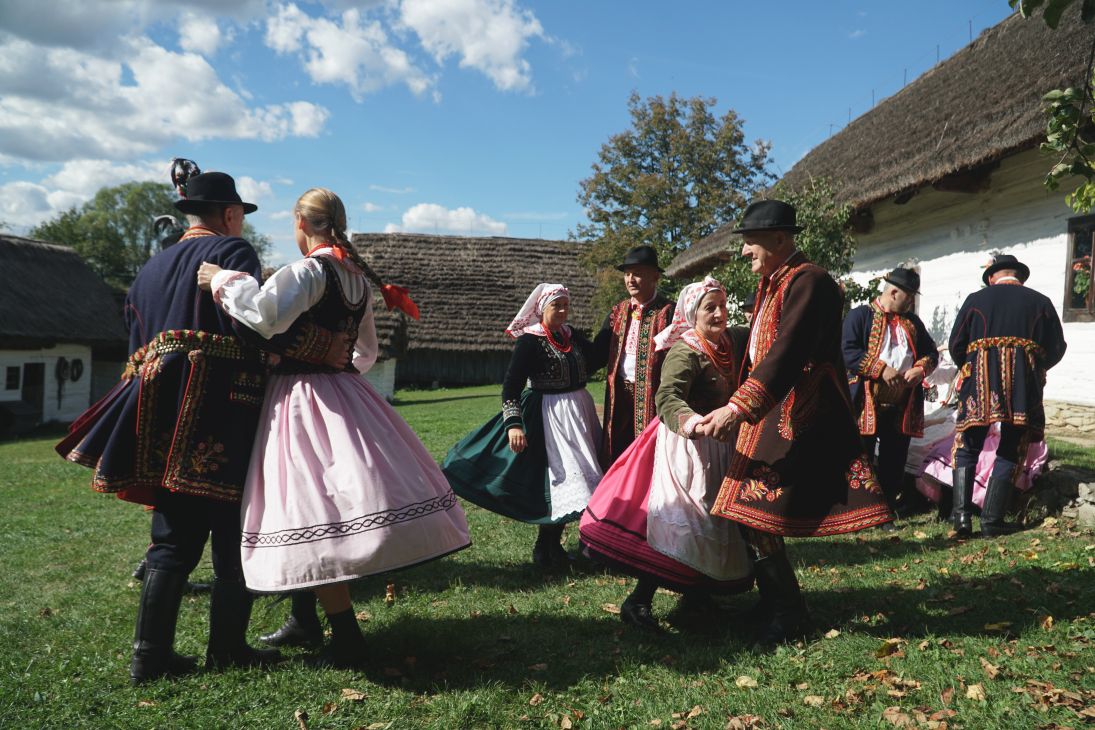
The European Heritage Days were held at the Sącz Ethnographic Park under the slogan "Let It Endure!" Visitors had the opportunity to peek into areas not usually shown to the public. The brave could climb narrow wooden ladders up to the roof of the church from Łososina Dolina to see the *storczyk* (queen-post) truss—a carpentry structure used in religious buildings from the 15th to the 19th century. On that day, our guides also led tours through the nooks and crannies of the Orthodox church from Czarne and the Evangelical church from Stadła. The Regional Ensemble "Podegrodzie" presented the music and songs of the Sącz Lach people. Guests also had the chance to taste *kukiełka*—a fluffy yeast cake once baked in Sącz-region villages for special occasions. Traditionally, a godmother would send a *kukiełka* as a gift to her godchild's home a week after the baptism.
It is worth noting that the European Heritage Days are a joint initiative of the Council of Europe and the European Union. The idea originated on October 3, 1985, in Granada during the 2nd Council of Europe Conference. The French Minister of Culture proposed extending the "Open Monument Days"—launched in France the previous year—to the entire continent; these events had allowed the public, for the first time, to visit sites usually closed to visitors free of charge. Over the following years, the initiative garnered significant public interest and support. Consequently, in 1991, the Council of Europe decided to establish the European Heritage Days. Today, all Council of Europe member states participate in the event. Poland joined the initiative in 1993.
Photo: Jacek Kurzeja
It is worth noting that the European Heritage Days are a joint initiative of the Council of Europe and the European Union. The idea originated on October 3, 1985, in Granada during the 2nd Council of Europe Conference. The French Minister of Culture proposed extending the "Open Monument Days"—launched in France the previous year—to the entire continent; these events had allowed the public, for the first time, to visit sites usually closed to visitors free of charge. Over the following years, the initiative garnered significant public interest and support. Consequently, in 1991, the Council of Europe decided to establish the European Heritage Days. Today, all Council of Europe member states participate in the event. Poland joined the initiative in 1993.
Photo: Jacek Kurzeja
50 Photos