Exhibition
Anna Czartoryska (1887-1980)
Anna Czartoryska - a painter associated with Krynica-Zdrój. She was born on May 30, 1887, in Wyżnica, in present-day Ukraine, to Korneliusz and Antonina Popiuk. She died on May 3, 1980, at the age of 93, and is buried in the cemetery in Krynica-Zdrój. Residents remember her as a warm, friendly, and generous person.
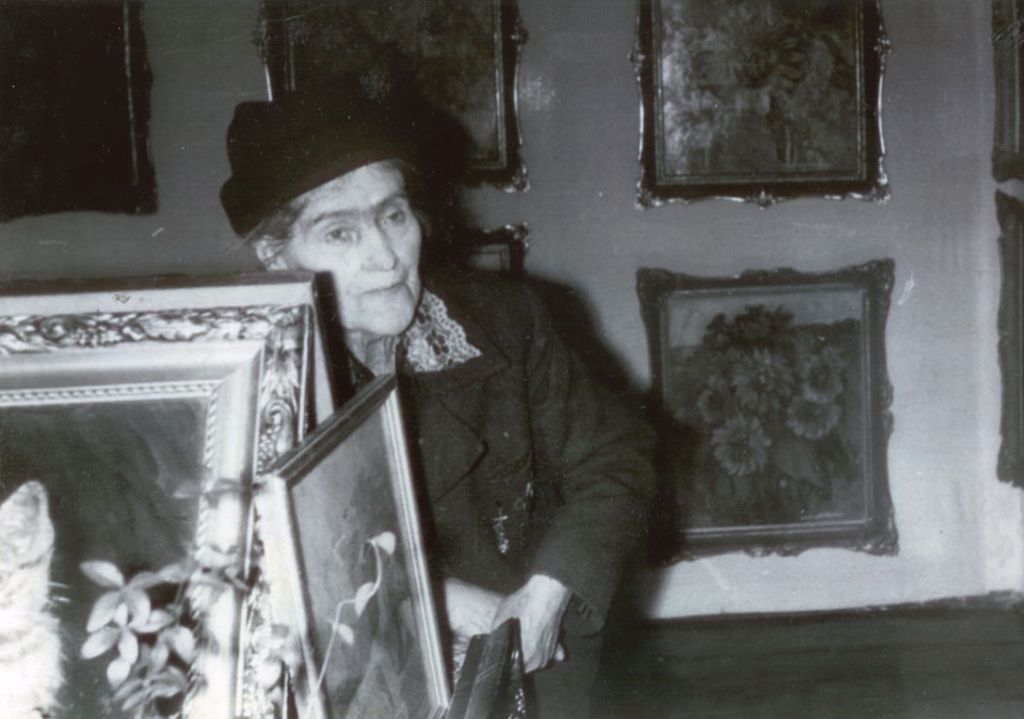
From 1906 to 1912, she studied painting at the Academy of Fine Arts in Vienna. She supplemented her artistic education as an unenrolled student at the Academy of Fine Arts in Milan from 1912 to 1914. As she recalled, her professors appreciated the richness of Polish folklore, which she sought to convey in her work. She married Stefan Czartoryski, a doctor who had distinguished himself in the Warsaw Uprising, who perished in 1944 in the Stutthof concentration camp. She remained a widow for the rest of her life.
During World War II, she actively participated in the September Campaign and then joined the Home Army under the pseudonym "Hanka." She was imprisoned in Pawiak and Mokotów. During the war, she helped Jews in the ghetto, providing them with food and clothing. She hid some of them on her brother's farm in Mariampol near Żyrardów and in Grodzisk Mazowiecki. She was honored with numerous awards for her work in the fight for independence. She was a co-founder of the Masovian Association of Art Lovers in Grodzisk Mazowiecki.
During World War II, she actively participated in the September Campaign and then joined the Home Army under the pseudonym "Hanka." She was imprisoned in Pawiak and Mokotów. During the war, she helped Jews in the ghetto, providing them with food and clothing. She hid some of them on her brother's farm in Mariampol near Żyrardów and in Grodzisk Mazowiecki. She was honored with numerous awards for her work in the fight for independence. She was a co-founder of the Masovian Association of Art Lovers in Grodzisk Mazowiecki.
In the early 1950s, she moved to Krynica-Zdrój, where she initially lived and worked in the villas "Nasz Dom" and "Urszula." She then moved to the villa "Romanówka" on what was then Bieruta Street (now Piłsudskiego Street), where she ran a modest painting gallery. This building was later relocated and now houses the Nikifor Museum, where we present her works—thus history has come full circle.
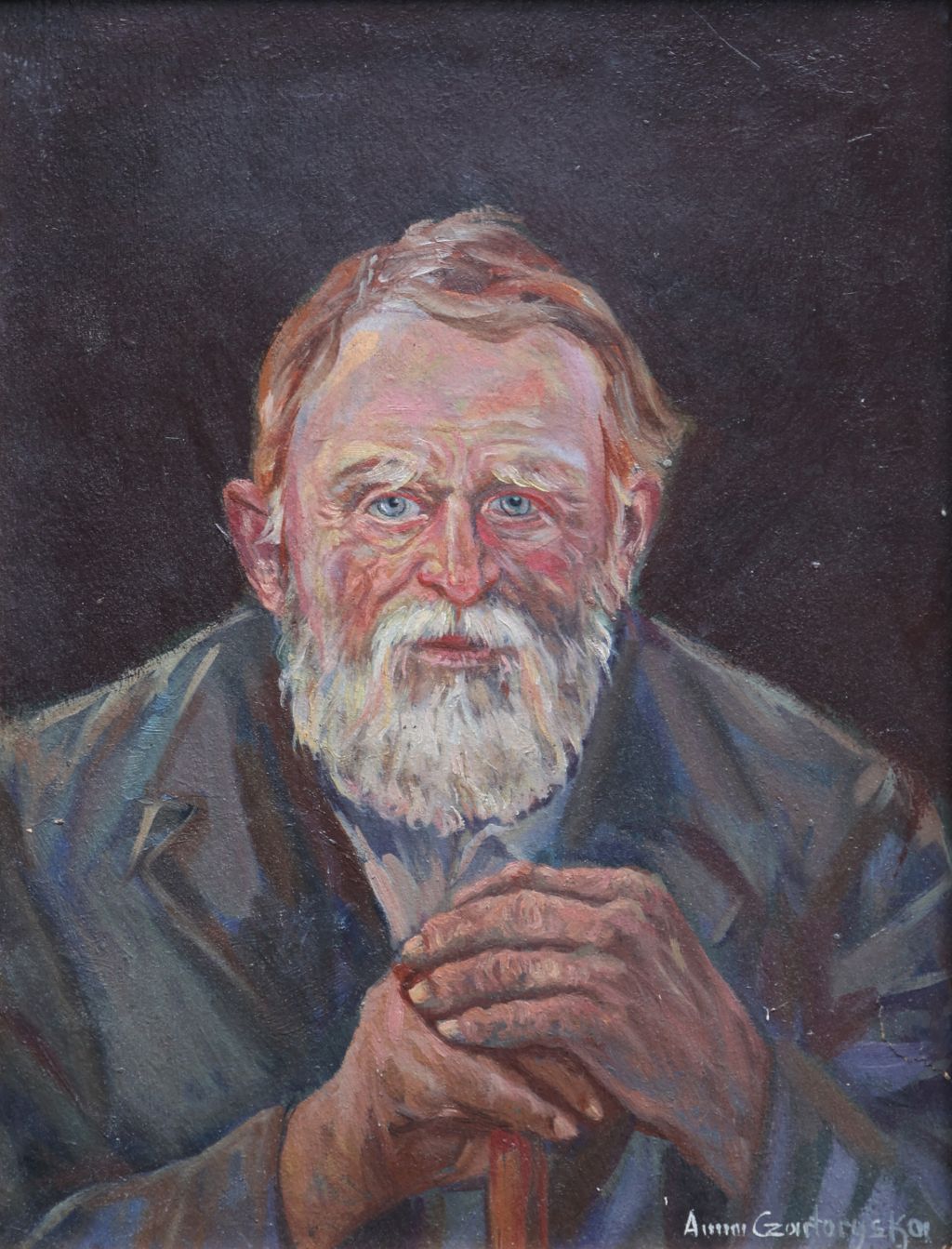
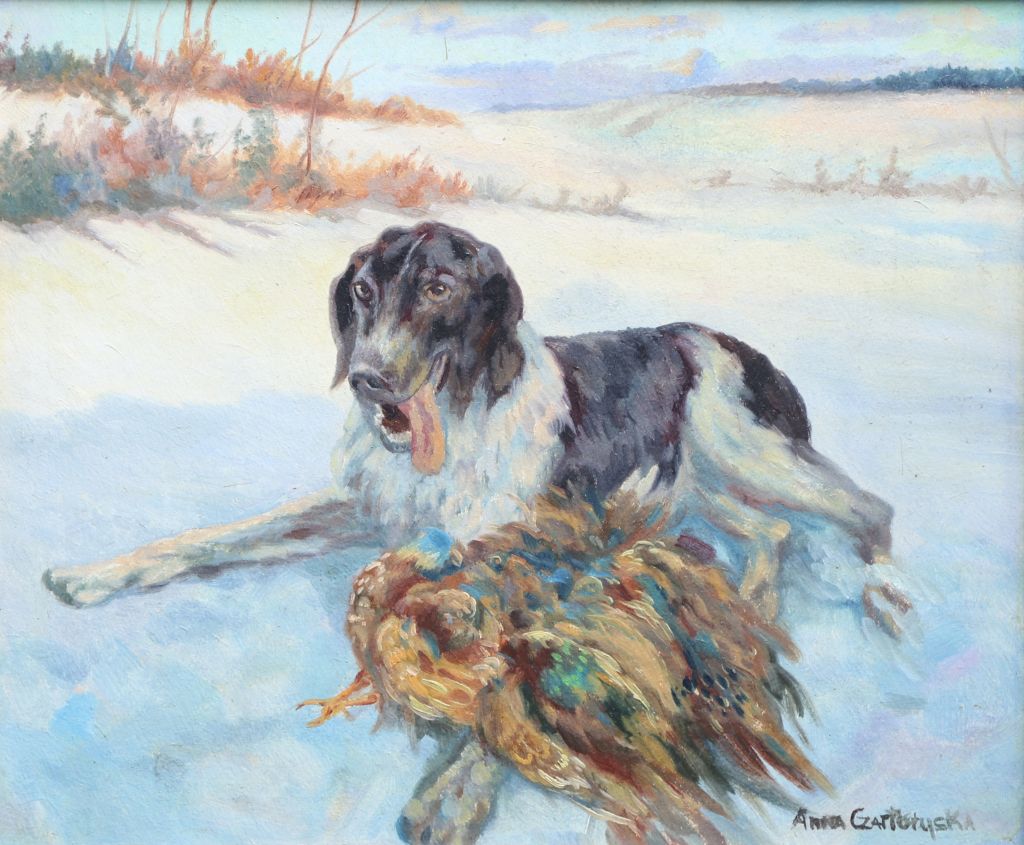
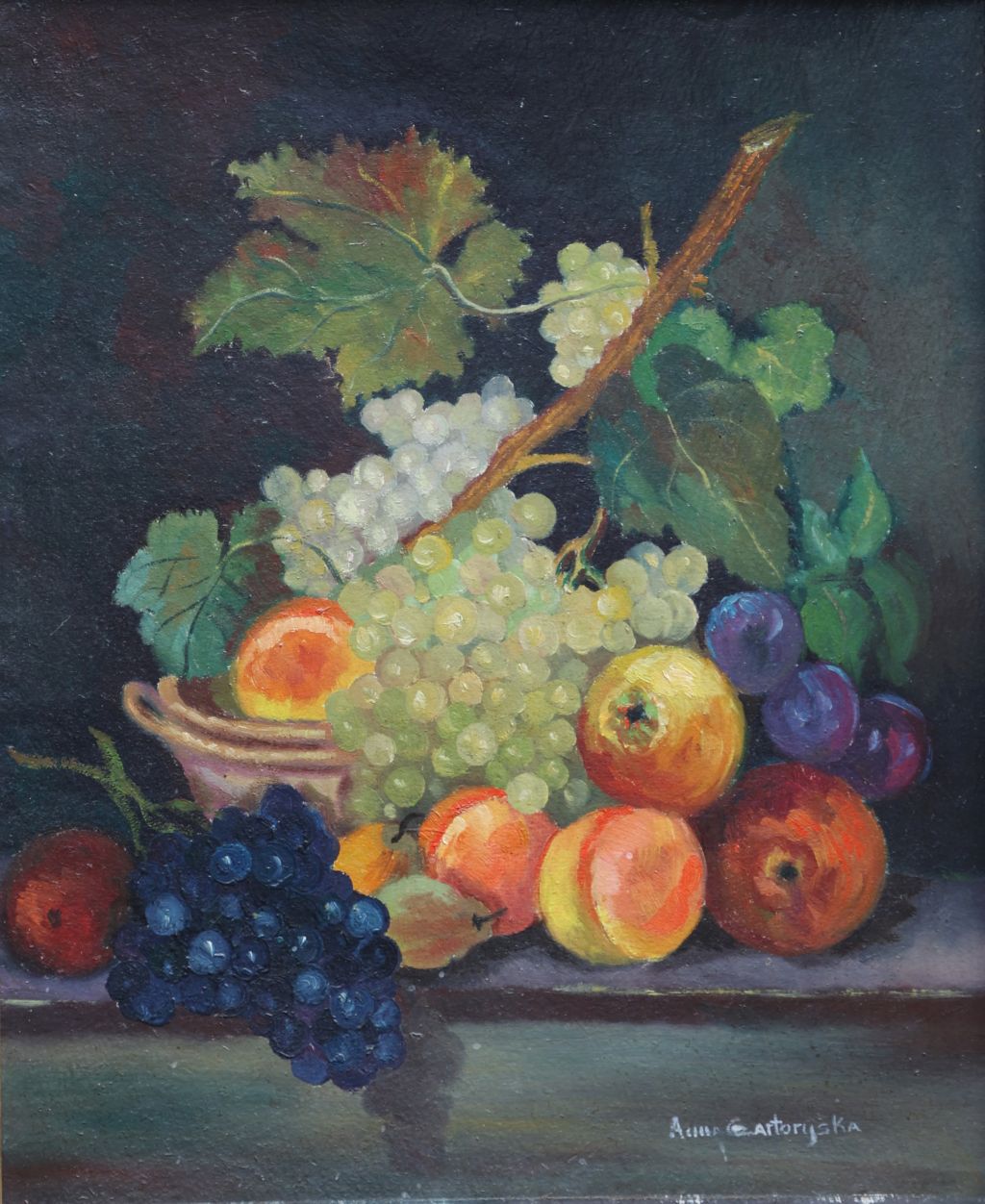
Despite her artistic training and numerous international travels, her work was characterized by a realistic approach to the subjects she addressed. She treated new developments in the art world with respect, yet remained faithful to classical forms of capturing the reality around her. She was an exceptionally prolific artist—painting intensely, which translated into the diverse artistic quality of her works. When asked about her artistic credo, she replied: "To create honestly, yet with heart—I am fascinated by the world, nature, and especially by humanity itself." I love this world and all its beauty.
Despite her artistic training and numerous international travels, her work was characterized by a realistic approach to the subjects she addressed. She treated new developments in the art world with respect, yet remained faithful to classical forms of capturing the reality around her. She was an exceptionally prolific artist—painting intensely, which translated into the diverse artistic quality of her works. When asked about her artistic credo, she replied: "To create honestly, yet with heart—I am fascinated by the world, nature, and especially by humanity itself." I love this world and all its beauty.